Research on the Future Development Trends of VR Rotating Egg Chair Simulator
Driven by the continuous implementation of the metaverse industry, the rapid iteration of virtual reality technology, and the upgrading of offline immersive consumption, the VR rotating egg chair simulator has become a core carrier for offline VR experience, popular science education, cultural tourism entertainment, and practical training. Integrating a 360° rotating dynamic platform, VR panoramic vision, somatosensory vibration, and environmental special effects, the VR rotating egg chair features a lightweight structure, low site occupation, low operation threshold, wide user adaptability, and low implementation cost. It effectively solves the pain points of large-scale VR dynamic devices, such as bulky volume, high cost, and complicated operation and maintenance, and is widely deployed in cultural and tourism venues, campus popular science bases, community emergency centers, commercial complexes, and amusement parks. With the in-depth integration of 5G, artificial intelligence, spatial computing, and digital twin technologies, as well as the accelerated digital transformation of various industries, traditional VR egg chairs with a single entertainment function are undergoing rapid iteration and evolving comprehensively toward intelligence, scenario diversification, professional application, industrialization, and green development. Based on the current industrial development status, this paper deeply analyzes the core future development trends of VR rotating egg chair simulators from six dimensions: technological innovation, application scenario expansion, content ecology optimization, market pattern upgrading, hardware iteration, and standardized compliance development, providing systematic references for industrial upgrading, scenario implementation, and industrial investment.
1. In-depth Technological Iteration: From Passive Somatosensory Simulation to High-precision Dynamic Immersive Interaction
Technological upgrading is the core driving force for the long-term development of VR rotating egg chair simulators. In the future, the equipment will completely get rid of the limitations of traditional low-frame-rate, low-precision, and single somatosensory experience and realize all-round innovation in dynamic simulation, visual presentation, and interactive response. Traditional VR egg chairs mostly adopt basic rotation and vibration modules, which suffer from high dynamic delay, single movement, rigid somatosensory feedback, and desynchronization between vision and movement. These defects easily cause user dizziness and experience fragmentation, restricting the high-end development of the industry. Future VR rotating egg chairs will be fully equipped with high-precision servo dynamic systems and upgraded multi-degree-of-freedom collaborative linkage structures, realizing refined collaborative control of pitching, swinging, rotating, and vibration. The dynamic response delay will be compressed to the millisecond level, perfectly matching the perspective changes and scene dynamics of VR panoramic images, effectively reducing VR dizziness, and improving the authenticity and immersion of user experience.
In terms of visual and perceptual technology, the equipment will be adapted to a new generation of lightweight high-definition VR headsets, supporting 4K ultra-high-definition images, wide field of view, and high refresh rate to completely eliminate image blurring, ghosting, and distortion. Meanwhile, it integrates force feedback, tactile simulation, and environmental simulation technologies, adding multi-dimensional sensory modules such as air blowing, water spraying, light and shadow special effects, and stereo surround sound. It can accurately simulate the sensory experiences of different environments such as space travel, high-altitude flight, deep-sea exploration, and disaster scenarios, building a full-dimensional immersive simulation system covering vision, hearing, touch, and somatosense. In addition, relying on 5G high-speed transmission and edge computing technology, VR egg chairs support real-time cloud data interaction, dynamic scene loading, and multi-user synchronous linkage experience, breaking the limitations of standalone operation. The cloud collaborative simulation enables lightweight equipment to achieve the simulation capability of high-end large-scale VR dynamic platforms.
2. Full-scale Scenario Expansion: From Single Entertainment Consumption to Multi-industry Professional Empowerment
For a long time, VR rotating egg chairs have been mainly applied in commercial amusement and leisure scenarios, resulting in serious functional homogenization and increasingly fierce market competition. With the continuous improvement of equipment precision, simulation professionalism, and system stability, VR rotating egg chairs will achieve scenario breakthroughs, transforming from pure entertainment equipment into digital infrastructure for multi-industry practical training, popular science education, emergency drilling, and health leisure. The coverage depth and breadth of application scenarios will be continuously expanded, forming a new development pattern of cross-industry empowerment.
In the field of popular science education, VR rotating egg chairs will become standard training equipment in primary and secondary schools, research and study bases, and popular science exhibition halls. Relying on immersive simulation capabilities, it restores teaching scenarios such as aerospace exploration, physical geography, scientific experiments, and traffic safety. It breaks the limitations of traditional static classroom teaching, converts abstract scientific knowledge and safety common sense into perceptible, experiential, and interactive dynamic scenarios, realizes experiential teaching, and effectively improves the fun and effectiveness of popular science education. In the field of emergency safety, the equipment can accurately simulate sudden disasters such as fires, earthquakes, floods, and stampedes, restoring the whole process of disaster occurrence, escape routes, and self-rescue methods. Allowing users to master emergency disposal skills in a safe virtual environment, it is widely used in community safety promotion, enterprise safety training, and campus emergency drills, making up for the shortcomings of traditional safety training such as single form, poor operability, and high practical risk.
In the cultural and tourism industry, VR rotating egg chairs have become core experience projects in rural cultural tourism, scenic exhibition halls, and digital cultural tourism towns. Customized immersive content based on regional culture, characteristic landscapes, and intangible cultural heritage helps build immersive cultural tourism IPs, promote the digital upgrading of traditional cultural tourism projects, and enrich offline consumption scenarios. Meanwhile, the equipment is gradually penetrating segmented fields such as health leisure, enterprise party building, and vocational training. It provides lightweight and soothing experience scenarios for the elderly and digital party building and vocational skill training content for enterprises, realizing full-population and multi-scenario coverage, completely getting rid of reliance on the traditional entertainment market, and opening up new market growth space.
3. In-depth AI Empowerment: Realizing Intelligent Content Iteration and Personalized Customized Experience
The integrated application of artificial intelligence and AIGC technology is the core breakthrough for the future upgrading of VR rotating egg chair simulators, promoting the transformation of equipment from fixed content playback to intelligent interactive and personalized experience modes. Traditional VR egg chairs suffer from solidified content, slow updates, and single interaction, leading to rapid loss of user freshness and low repurchase rate, which are the core shortcomings restricting long-term operation. The new-generation VR rotating egg chairs will be equipped with AI spatial intelligent large models to build a dynamic and intelligent content operation system, thoroughly solving the industry problem that content development lags behind hardware iteration.
In terms of content creation, AIGC technology supports the intelligent generation of VR scenes, animation content, and interactive storylines. Operators can quickly customize exclusive experience content according to scenario demands, user groups, and seasonal hotspots, greatly reducing content production costs and shortening the update cycle to realize regular content iteration. In terms of interactive experience, AI can real-time identify user operation behaviors, experience feedback, and physical status, dynamically adjusting scene difficulty, movement amplitude, and plot development. It adapts personalized experience schemes for different groups including children, teenagers, adults, and the elderly, avoiding discomfort caused by high-intensity dynamic experience while improving the fun and applicability of the experience.
In addition, the AI big data analysis system accurately records user experience data, preference data, and retention data to form user portraits and operation reports, providing data support for venue operation, content update, and scenario optimization. Meanwhile, the AI intelligent operation and maintenance system real-time monitors equipment operating status, potential faults, and loss data, realizing automatic fault early warning and intelligent troubleshooting. It reduces the difficulty and labor cost of equipment maintenance, greatly improves equipment stability and service life, and achieves full-process intelligent upgrading of hardware, content, and operation and maintenance.
4. Market Pattern Upgrading: Coexistence of Large-scale Popularization and Refined Differentiated Competition
In recent years, the continuous decline in hardware production costs and the significant improvement in cost performance, coupled with policy support for digital transformation in various industries, have driven the continuous expansion of the VR egg chair market, entering a golden period of large-scale popularization. Industry data shows that the global VR amusement equipment market maintains steady growth with a compound annual growth rate of more than 12%. With the continuous expansion of downstream application scenarios, the market penetration rate of VR rotating egg chairs as lightweight core equipment continues to rise, showing huge potential in sinking markets. In the future, the industry will present a dual market pattern of inclusive popularization for the mass market and refined differentiation for the high-end market. Homogenized low-price competition will be gradually eliminated, and refined, professional, and customized high-quality products will become the mainstream.
In the mass consumption market, standardized, lightweight, and cost-effective basic VR rotating egg chairs will be widely popularized in sinking scenarios such as county-level business districts, community service centers, township cultural tourism sites, and primary and secondary schools to meet the needs of basic entertainment, popular science publicity, and basic training, continuously expanding the overall market scale. In the high-end segmented market, the industry will accelerate differentiated competition. Manufacturers focus on professional scenario demands, launching customized, high-precision, and multi-functional high-end equipment. They optimize equipment parameters, simulation accuracy, and content systems for professional emergency training, high-precision popular science, high-end cultural tourism, and commercial exhibition scenarios, creating exclusive solutions to improve product added value and market competitiveness.
At the same time, the industry business model is continuously iterating, transforming from single equipment sales to an integrated service model of “hardware + content + operation and maintenance + customized solutions”. Leading enterprises no longer simply sell equipment, but provide customers with full-process services including scenario customization, content update, equipment maintenance, and operation guidance, building a complete industrial service ecosystem and increasing customer stickiness and industrial barriers. Small and medium-sized manufacturers focus on segmented tracks, seizing sinking markets with cost performance and flexible adaptability. The industrial concentration ratio continues to rise, and the market pattern becomes more standardized and mature.
5. Modular Hardware Upgrading: Lightweight Design, High Compatibility and Easy Maintenance Become Industry Standards
The optimization and iteration of hardware structure is the foundation for VR rotating egg chairs to adapt to diverse scenarios. In the future, the equipment will fully realize modularization, lightweight design, high compatibility, and easy maintenance, solving the pain points of traditional equipment such as large floor space, complicated disassembly and assembly, difficult upgrading, and high maintenance costs. Traditional VR egg chairs adopt an integrated fixed structure, making hardware upgrading, accessory replacement, and equipment handling difficult and unable to adapt to flexible scenario demands. The new-generation equipment adopts a standardized modular design, in which the dynamic platform, somatosensory modules, special effect system, and display terminal are independent modules. It supports flexible combination and disassembly according to scenario needs and free switching between single-seat and double-seat modes, adapting to different site spaces and operation requirements.
In terms of hardware experience optimization, the equipment adopts high-strength lightweight and environmentally friendly materials, balancing structural stability, safety and comfort. The ergonomically designed seat optimizes long-time experience and effectively reduces user fatigue. Meanwhile, the hardware compatibility is greatly improved, adapting to various VR headsets, somatosensory accessories, and cloud systems, supporting subsequent technological iteration and functional upgrading. It avoids rapid equipment elimination, extends the product life cycle, and reduces user iteration costs. In terms of operation and maintenance, the modular design greatly simplifies the maintenance process, allowing independent replacement of faulty modules without overall disassembly. Cooperated with the AI intelligent maintenance system, it realizes regular self-inspection, fault early warning, and remote debugging, greatly reducing labor maintenance costs and shutdown losses.
In addition, the equipment energy consumption is further optimized. The new-generation VR egg chair is equipped with energy-saving chips and intelligent power regulation systems, which can automatically adjust power consumption according to operating status to achieve low-power and high-efficiency operation. It conforms to the green and low-carbon industrial development trend and further improves the scenario adaptability and market competitiveness of the equipment.
6. Standardized and Sustainable Development: Improved Industrial Standards and Upgraded Safe Experience
With the rapid popularization of the VR rotating egg chair industry, problems regarding equipment safety, content compliance, and experience specifications have become prominent. The industry will usher in comprehensive upgrading of standardization, normalization and compliance, ending extensive growth and achieving high-quality and sustainable development. In the past, the industry lacked unified standards for equipment safety, content review, and experience specifications. Some low-end equipment has potential safety hazards and industrial chaos such as unstable structure, excessive dynamic load, inappropriate content, and confused user group adaptation, restricting the healthy development of the industry.
In the future, the industry will gradually establish a complete standardized system covering hardware safety standards, dynamic parameter specifications, content review rules, user group adaptation standards, and operation and maintenance specifications. It will clarify core specifications such as the maximum dynamic load, safety protection mechanisms, age-appropriate content, and equipment detection frequency, completely eliminating low-quality equipment and purifying the market environment. In terms of safety protection, the new-generation VR egg chair is equipped with multi-layer safety protection systems, including emergency braking, overload protection, anti-collision early warning, and heart rate monitoring. Exclusive experience modes are set for the elderly, children, and physically sensitive groups to minimize experience risks and ensure user safety.
In terms of content compliance, a strict content review and update mechanism will be established to eliminate vulgar, dangerous and illegal content, and focus on high-quality content such as popular science education, emergency training, positive cultural tourism, and green entertainment, promoting the healthy and positive development of the industrial content ecosystem. At the same time, the industry will continuously strengthen user experience guarantee, optimize anti-dizziness and anti-fatigue technologies, establish standardized experience processes and prompt systems, improve overall user experience quality, and build a good industrial reputation.
Conclusion
In summary, the VR rotating egg chair simulator is in a golden cycle of technological iteration, scenario expansion and industrial upgrading. It has broken through the single positioning of traditional offline entertainment equipment and become an important basic carrier for the digital economy, smart education, digital cultural tourism, and emergency digital construction. In the future, the industry will continue to promote technological innovation, content upgrading, scenario breakthrough and industrial reconstruction with six core trends: high-precision technology, full-scenario coverage, intelligent experience, refined market operation, modular hardware, and standardized compliance development. With the continuous empowerment of AI, 5G and spatial computing technologies and the continuous release of digital transformation demands in various industries, VR rotating egg chair simulators will further penetrate sinking markets, deepen segmented fields, and improve the industrial ecosystem. Evolving from niche immersive equipment to universal digital infrastructure for public benefit and cross-industry empowerment, it will continuously release huge market and social value, boosting the high-quality development of China’s immersive industry, digital human settlement and smart service industry.
RELATED POSTS
Research on the Multi-domain Applications and Industrial Value of Safety Lifting Platform Simulators
New Immersive Media: Diverse Application Scenarios and Industrial Value of Track Cinemas
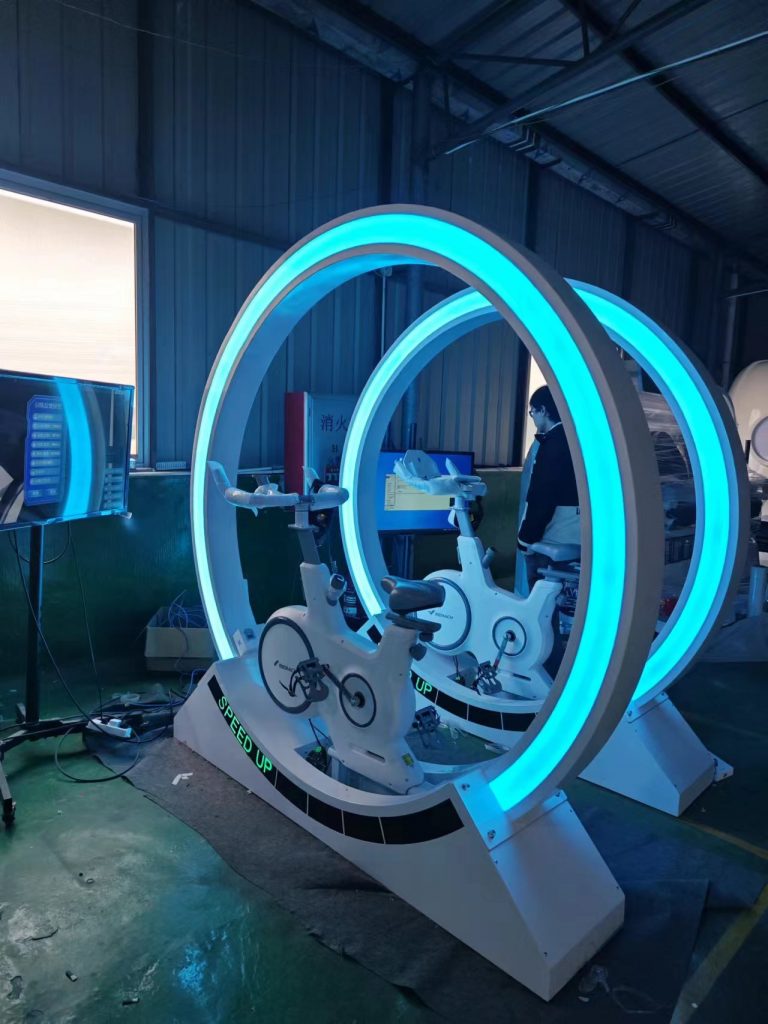
Diverse Application Scenarios and Value Analysis of VR Bicycle Simulators
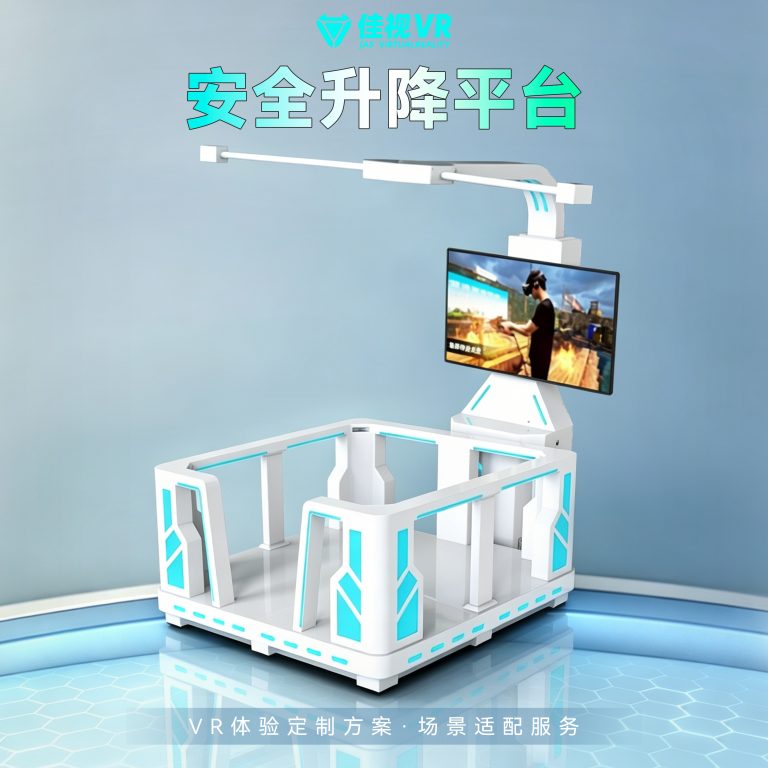
Application Scenarios and Practical Value Analysis of VR Construction Safety Experience Hall
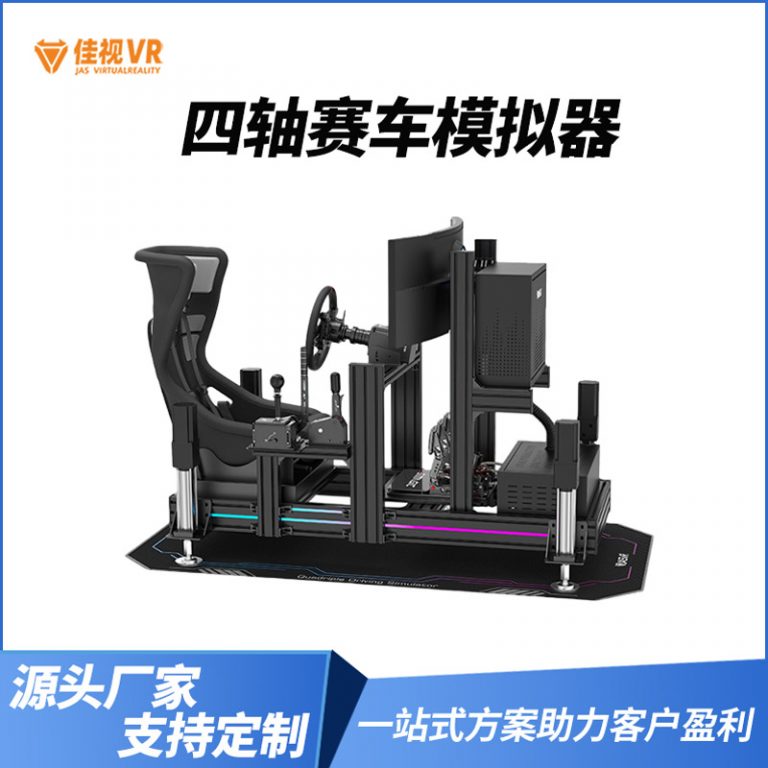
Research on Technical Characteristics and Multi-field Applications of 4-Axis Dynamic Simulators