Revenue and Profit‑making Solutions for VR Shenzhou Spacecraft Simulator
Abstract
With the rapid development of China’s aerospace industry, public enthusiasm for aerospace science popularization keeps rising. The immersive aerospace‑experience market is witnessing robust growth. The VR Shenzhou Spacecraft Simulator adopts virtual reality technology to restore the cabin structure of Shenzhou spacecraft, space travel, extravehicular activities, earth‑space communication and other core scenarios in a near‑1:1 manner. It overcomes the limitations of traditional aerospace science popularization, which features strong viewing value yet weak interactivity. Integrating science‑education value and immersive entertainment experience, this product is widely applied in cultural‑tourism venues, shopping malls, campus science museums and other scenarios. The domestic VR aerospace science‑popularization market has gained increasing market share and promising prospects. Nevertheless, most equipment operators are confronted with problems including single profit model, low passenger‑flow conversion rate and lack of value‑added income. Combining industrial characteristics and practical field‑operation experience, this paper analyzes diversified revenue‑generating solutions for the VR Shenzhou Spacecraft Simulator, together with implementation strategies and cost‑optimization approaches. It aims to build a sustainable and high‑return commercial operation system for long‑term profitability of the equipment.
1. Offline Immersive Experience: Core Basic Revenue to Consolidate Profit Foundation
Single offline experience charging serves as the most fundamental and stable revenue mode for VR Shenzhou Spacecraft Simulator and the cornerstone of all profit‑making solutions. Leveraging highly immersive and distinctive aerospace experience, this model realizes instant monetization for walk‑in visitors and fits shopping malls, scenic spots, science museums, cultural centers and other sites. It features simple operation, stable cash flow and broad user groups. Tiered pricing strategies can be adopted according to consumption levels of different cities and site passenger‑flow characteristics to maximize revenue potential from individual customers.
For high‑traffic locations such as commercial complexes and internet‑famous scenic spots in first‑ and second‑tier cities, the price for a single‑person experience can be set at 40‑60 RMB with 8‑12‑minute session duration. Core lightweight scenarios including spacecraft launch, orbital flight and overlooking the earth from outer space are provided to satisfy tourists’ fragmented consumption demands. For parent‑child and youth groups, double‑person or triple‑person family packages with 10‑20% discount compared with individual tickets can be launched to boost average order value and cater to family travel habits. In third‑ and fourth‑tier cities and county‑level markets, the price can be adjusted to 30‑40 RMB. Affordable pricing expands user coverage and attracts mass consumers.
Operation rhythm shall be optimized based on passenger‑flow rules to mitigate revenue imbalance between peak and off‑peak seasons. On weekdays with low foot traffic, special weekday tickets and student‑exclusive tickets are available for traffic diversion and higher equipment utilization. Standard pricing resumes on weekends, holidays and summer/winter vacations to seize consumption peaks and boost revenue. Group packages with special discounts for teams of 3‑5 visitors help raise revenue per reception. According to industry statistics, under stable‑traffic conditions, daily walk‑in revenue of a single VR spacecraft simulator can reach 800‑1500 RMB. This is the major guarantee for payback, and the investment payback period can be controlled within 10‑16 months with proper operation.
2. Government‑Enterprise Science‑Popularization Cooperation: Long‑Term B2B Revenue Channel
Aerospace science popularization is a key national‑promoted science‑education sector. The Ministry of Education and China Association for Science and Technology keep advancing aerospace education in schools and nationwide science outreach. As a professional intelligent science‑education tool, VR Shenzhou Spacecraft Simulator enjoys high adaptability for government‑enterprise cooperation and builds high‑margin long‑term B2B revenue streams. It breaks revenue bottlenecks merely relying on sporadic customer experiences. Target partners cover primary & secondary schools, youth activity centers, science museums, cultural‑tourism bureaus and community service centers. Profit can be realized via project cooperation, equipment leasing and curriculum co‑development.
School science‑popularization cooperation is a priority direction. Long‑term partnerships with primary, secondary and vocational schools can be established for simulator placement in campus science museums and activity rooms to deliver regular aerospace science education. On one hand, customized aerospace courses combining VR spacecraft simulation, knowledge lectures and aerospace hand‑on activities are provided with science‑service fees charged by semester or academic year. On the other hand, study tour and after‑school service projects are undertaken to receive student groups in batches. The group study‑tour package price ranges from 20‑30 RMB per person to achieve scaled revenue through small‑profit‑and‑quick‑turnover strategy. Besides, operators may apply for special government science‑popularization subsidies for “Aerospace Science Popularization into Campus” programs to further improve profit margin.
Equipment leasing and managed‑service cooperation with institutions and government‑run venues deliver steady returns. For county‑level science museums, township cultural centers and scenic‑spot exhibition halls with limited capital demands, one‑off equipment sales are not the only option. Time‑sharing leasing and annual managed services can be introduced, with monthly or annual rental fees covering maintenance, content update and staff training services to generate recurring income. Furthermore, operators can bid for hosting services for government‑sponsored events such as Science Popularization Week and National Science Day to obtain event contracting fees. Official events also enhance brand credibility and bring traffic for subsequent commercial operations. For well‑run projects, government‑enterprise cooperation contributes over 40% of total revenue with long cooperation cycles, stable payment collection and nearly no off‑season risk.
3. Membership & Prepaid System: Lock Private‑Domain Users for Recurring Revenue
Pure reliance on one‑off walk‑in experiences leads to low user stickiness and insufficient repeat consumption. A tiered membership and prepaid system helps lock private‑domain users and convert one‑time monetization into long‑term revenue, improving revenue stability and user loyalty. Drawing on proven VR‑industry operation experience, multi‑level benefits including general prepaid plan, monthly pass, quarterly pass, annual pass and exclusive parent‑child membership can be set for diversified consumer needs.
The basic prepaid plan is open to all visitors. Prepaid promotions such as “top‑up 100 RMB get extra 30 RMB credit” and “top‑up 200 RMB get extra 80 RMB credit” are available. Prepaid balance can be used for all VR spacecraft experiences to encourage advance consumption and accelerate working‑capital recycling. Monthly, quarterly and annual passes target frequent visitors. Monthly pass: 88 RMB; quarterly pass: 228 RMB; annual pass: 688 RMB. Pass holders enjoy unlimited access to basic experiences, priority access to new scenarios, no queuing during holidays and exclusive aerospace souvenirs. These benefits attract local teenagers and aerospace enthusiasts for frequent consumption.
Family‑sharing membership and group membership packages are also available. Family membership allows 2‑3 family members to share benefits and lower household consumption thresholds. Group membership serves training institutions and student associations with bulk preferential terms to expand private‑domain user base. In addition, exclusive communities for members can be built to push aerospace knowledge, new‑event notifications and member‑only offers, strengthening user stickiness. The membership system can lift repeat purchase rate by more than 30%, fill weekday revenue gaps caused by low foot traffic and improve overall equipment utilization.
4. IP Derivatives & Value‑Added Services: Tap Incremental Revenue & Profit Premium
The VR Shenzhou Spacecraft Simulator features distinctive aerospace IP with patriotic, scientific and exploratory brand attributes. Leveraging on‑site traffic and brand influence, diversified value‑added services and IP derivative products can be developed to break the limitation of experience‑only revenue. A profit closed loop of “attract visitors via experience, make profits through value‑added items” can be formed. This high‑gross‑margin flexible business segment serves as critical supplementary revenue source.
Offline value‑added services can be quickly monetized. Targeting parent‑child and youth customers, supporting value‑added items are launched: aerospace‑themed photo shooting, space‑themed video recording and personalized customized aerospace experience certificates. After simulation sessions, users can obtain high‑definition photos, short videos and exclusive certificates for 10‑20 RMB. Low cost and high return satisfy souvenir consumption demands. Operators can also undertake customized events including birthday parties, parent‑child team‑building and science‑themed salons. Full‑package event solutions cover VR spacecraft simulation, aerospace‑themed site layout, science lectures and interactive games to boost single‑event revenue.
Sales of IP derivatives bring long‑term incremental income. Light‑weight cultural and creative products are customized around Shenzhou aerospace themes: spacecraft models, astronaut dolls, aerospace stationery, commemorative badges and custom keychains. Products are displayed and sold on‑site. Premium limited‑edition aerospace gift boxes target high‑end customers. Omni‑channel sales combine offline retail with community and short‑video live‑streaming sales to break geographical traffic limits. Moreover, paid advanced simulation content can be developed. Apart from basic free scenarios, premium modules such as extravehicular spacewalk, space‑station docking and in‑orbit maintenance are available for separate purchase to meet demands of hardcore enthusiasts and explore high‑end consumption potential.
5. Brand Commercial Cooperation: Monetize Traffic Resources for Win‑Win Partnership
As a high‑profile tech‑experience project, VR Shenzhou Spacecraft Simulator has strong topic influence and commercial cooperation value. Brand co‑branding, on‑site advertising and cross‑industry partnerships realize traffic monetization and deliver incremental revenue with little extra cost. It is an important way to raise overall project return rate.
On‑site advertisement and brand entry bring steady recurring income. Static posters, rolling video ads and brand placement can be arranged in waiting zones, surrounding areas and display screens, with advertising fees charged quarterly or annually for technology, education and parent‑child brands. Cooperation with tutoring agencies, kids’ playgrounds and study‑tour operators can be reached. Service fees are collected when partners conduct on‑site promotion and customer acquisition to monetize existing traffic resources.
Co‑branding and joint events amplify brand value. Shopping malls, scenic spots and science museums can co‑host aerospace exhibitions and VR experience challenges during holidays and aerospace anniversaries to secure event sponsorship fees. Mutual traffic diversion is achieved via partner platforms. Meanwhile, local‑life platform group‑buying packages and influencer review campaigns can be launched to gain platform exposure, boost sales and earn platform commission. For corporate clients, aerospace‑themed corporate team‑building and employee‑welfare experience packages are customized to tap B2B bulk‑purchase demands.
6. Refined Cost Control & Operational Optimization: Cut Expenses and Improve Net Profit
Profitability equals revenue growth minus expenditure reduction. After building multi‑channel revenue sources, refined cost control and operational optimization help lower operating costs, lift net profit margin and achieve stable long‑term returns. Major operating costs of VR Shenzhou Spacecraft Simulator cover site rent, equipment maintenance, labor cost and content updates. Targeted optimization can expand profit space.
For site and labor‑cost optimization, priority can be given to shopping‑mall island booths, idle scenic‑spot exhibition areas and auxiliary zones in venues. Small footprint and minimal renovation requirements reduce rental and fit‑out investment. In terms of manpower, adopt multi‑task staffing and shift arrangement. One on‑site staff is sufficient for reception, explanation and equipment operation for single simulator. Part‑time staff can be deployed in peak seasons while manpower is streamlined in off‑peak hours. Self‑service ticket purchasing and scan‑code verification systems reduce manual workload and improve efficiency.
For equipment and content‑cost management, implement regular inspection, cleaning and maintenance schedules to lower breakdown repair costs and extend service life. Secure long‑term free content‑update support from equipment manufacturers. Keep spacecraft simulation scenarios and image quality upgraded without heavy R&D investment to maintain novelty and drive repeated visits. Optimize overall traffic operation through off‑peak pricing and event marketing to improve space‑equipment efficiency and avoid idle resources.
7. Conclusion & Outlook
The commercial profitability of VR Shenzhou Spacecraft Simulator does not rely on single‑source experience revenue. Instead, it is a multi‑dimensional profit‑making system: basic experience for baseline revenue, government‑enterprise cooperation for stable recurring income, membership system for user retention, value‑added services for incremental gains, commercial partnership for traffic monetization and cost optimization for higher net profit. Compared with traditional amusement devices, it benefits from policy dividends of aerospace science popularization and aerospace IP advantages. With wider application scenarios, longer product lifecycle and higher profit stability, it balances public‑welfare attributes and commercial value.
Against the backdrop of cultural‑tourism integration, science‑education revitalization and booming digital science popularization, the VR aerospace‑experience market still has huge growth potential. Operators shall continuously upgrade user experience, optimize simulation content, innovate marketing modes and deepen government‑enterprise collaboration. Balance short‑term cash flow and long‑term brand value to fully exploit the simulator’s value in science popularization, entertainment and commerce, and strengthen project profitability and market competitiveness. With iterative VR technology and growing public passion for aerospace, well‑operated VR Shenzhou Spacecraft Simulator will become a high‑value project in digital science popularization and cultural‑tourism entertainment, delivering both social benefits and economic returns.
RELATED POSTS
The Advantages of a Six-Axis Motion Car Simulator Platform
Diversified Profit Models and Business Operation Strategy Analysis of VR Car Driving Simulator

Technological Empowerment and Scenario Innovation: An Analysis of the Future Development Trends of VR Full-Sense Theaters
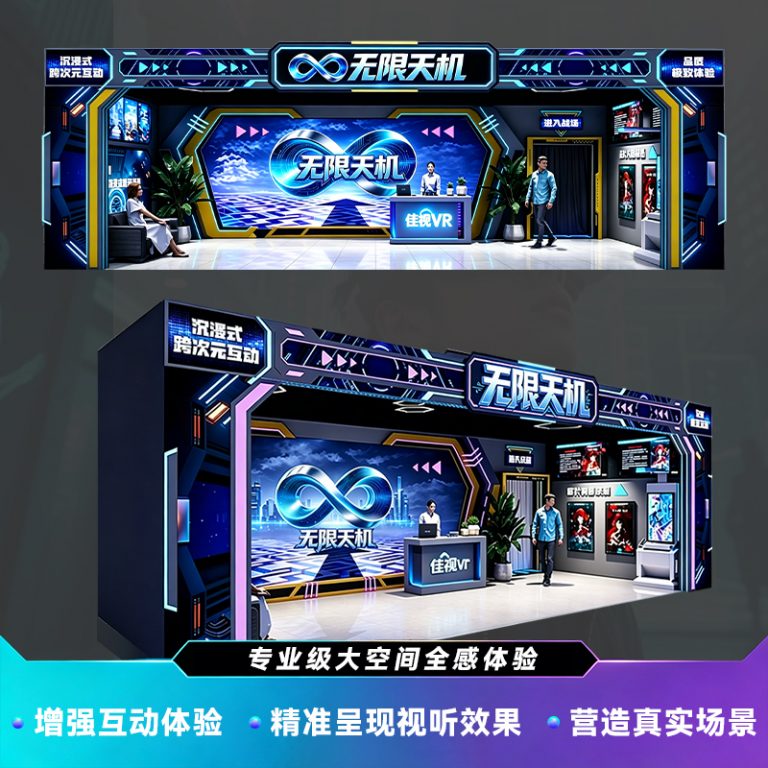
VR/XR Full-Sense Large-Space Cinema: Customer Acquisition and Profitability Strategy
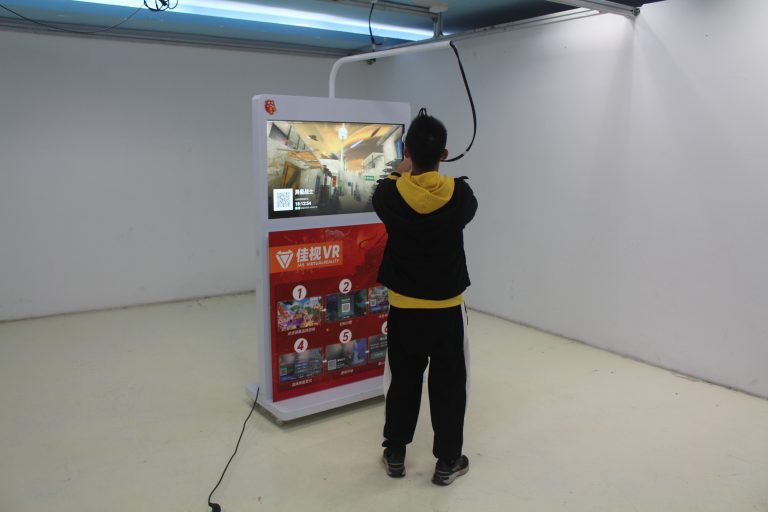
Application Scenarios and Value Analysis of VR Unattended All-in-One Machine