
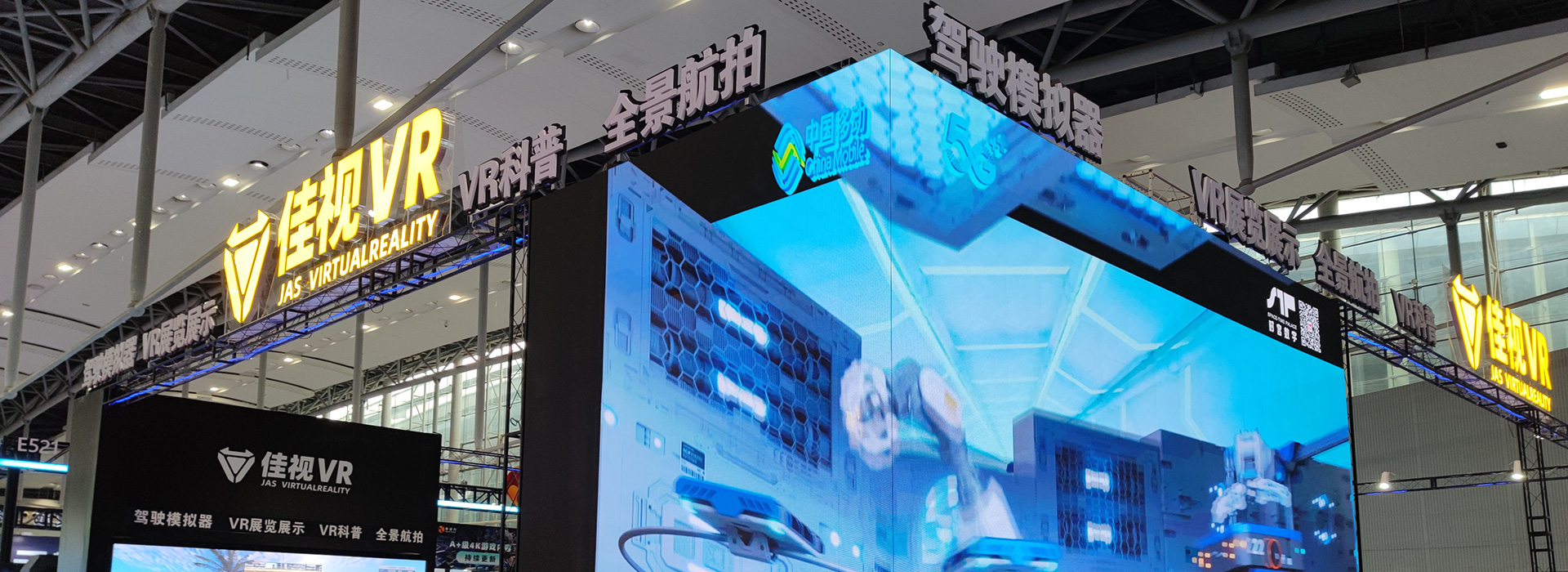
Real Vehicle Transformed Dongfeng Truck Head Driving Simulator: Unlocking the Comprehensive Learning Scenario for Heavy-Duty Truck Driving
In the field of heavy-duty truck driving training, the real vehicle transformed Dongfeng truck head driving simulator, with its unique advantage of “real vehicle core + virtual scenario”, breaks the bottleneck of “high risk, high loss and low efficiency” in traditional training. Different from ordinary simulation equipment, it is based on the real head of Dongfeng truck, completely retaining the original vehicle’s operating mechanism, instrument layout and driving vision, combined with high-definition simulated vision and intelligent feedback system, allowing learners to systematically master the core skills and industry specifications of heavy-duty truck driving in a safe and controllable environment. From basic operations to emergency response, from theoretical implementation to practical proficiency, this simulator covers the entire process of heavy-duty truck driving learning content, becoming a core training tool for newbies to get started and experienced drivers to improve. The following will detail the core content that can be learned.
The core value of real vehicle transformation lies in “restoring reality”. Therefore, standardized training of basic operating skills is the most core learning content of the simulator and the foundation of all driving skills. For new heavy-duty truck drivers, the operation complexity of Dongfeng truck is far higher than that of ordinary family cars. Its clutch stroke is long, the requirements for accelerator and brake force are high, the gear layout is special, and the vehicle body is large with many blind spots in vision, which are the core difficulties for getting started. The simulator completely reproduces the operating components of the Dongfeng truck head, including the real steering wheel, clutch, brake, accelerator pedal, as well as the original gearbox, instrument panel, combination switches, etc., allowing learners to be familiar with the operating feel of the real vehicle from the beginning, avoiding the problem of “feel disconnection” when driving the real vehicle later.
In the learning of basic operations, the first thing that can be mastered is cockpit cognition and basic operation specifications. Learners can systematically understand all components of the Dongfeng truck cockpit, including the reading and meaning of various instruments on the instrument panel such as tachometer, speedometer, barometer, fuel gauge, etc., understand the position and operation method of combination switches such as turn signals, high and low beam lights, wipers, horns, and be familiar with the difference and use scenarios of parking brake and service brake. At the same time, they can also learn the correct driving posture, safety belt wearing specifications, getting on preparation process (such as walking around the vehicle for inspection) and other basic etiquette, and develop good driving habits – this is a key link that is easily ignored in traditional real vehicle training but is related to driving safety. The simulator will also correct learners’ wrong operations through voice prompts and text guidance, such as forgetting to fasten the safety belt and incorrect operation of switches, helping them form standardized operation memory.
Secondly, the core of basic operations is coordination of oil, clutch and brake and gear operation. As a heavy-duty vehicle, the coordination accuracy of oil, clutch and brake directly affects driving safety and vehicle loss. The simulator can accurately simulate the half-linkage point of the real vehicle and the force feedback of the accelerator and brake, allowing learners to repeatedly practice the coherent operations of starting, accelerating, decelerating and stopping. For example, when starting, it is necessary to master the rhythm of “slowly lifting the clutch, gently stepping on the accelerator, and steadily releasing the handbrake” to avoid problems such as vehicle rolling backward and stalling; when decelerating and stopping, it is necessary to coordinate the force of the clutch and brake to prevent vehicle jitter. For gear operation, the simulator completely retains the original gear layout of the Dongfeng truck, including the switching between low and high gears, the operation skills of reverse gear, and the practice of the two-foot clutch shifting method, allowing learners to be familiar with the vehicle speed and road conditions corresponding to different gears, and avoid operational errors such as dragging gears and wrong gears – once these skills go wrong in real vehicle driving, they may lead to vehicle damage or traffic accidents, while the simulator provides a risk-free opportunity for repeated practice.
In addition to basic operations, the cultivation of coping ability in complex road conditions and scenarios is another core advantage of simulator learning. Heavy-duty trucks have complex driving scenarios, including urban roads, highways, rural roads, mountain roads and other road conditions, and often need to cope with special scenarios such as severe weather like rain, snow and fog, and night driving. These scenarios are difficult to fully cover in real vehicle training and have high safety risks. However, the simulator can accurately restore various complex scenarios through virtual technology, allowing learners to experience and master coping skills in an immersive way.
In the learning of road condition response, learners can systematically practice driving skills on different roads. For example, in urban road driving, it is necessary to learn how to avoid pedestrians and non-motor vehicles, how to respond to traffic lights, road turns, lane changes and overtaking, and how to control vehicle speed and keep a safe distance in congested road sections – Dongfeng trucks have large bodies and large inner wheel differences when turning. The simulator will restore the range of inner wheel differences through vision, reminding learners to reserve turning space in advance to avoid scratches. In highway driving, you can practice skills such as high-speed starting, constant speed driving, ramp entry and exit, and emergency stopping, master the braking distance characteristics of heavy-duty trucks when driving at high speed, learn to reasonably control vehicle speed, and avoid dangerous behaviors such as speeding and following too closely. In mountain road driving, you can simulate scenarios such as uphill, downhill, and continuous curves, learn the skills of downshifting to accelerate when going uphill and using engine braking when going downhill (prohibiting neutral sliding), and cope with the problems of poor vision and large slopes in mountain roads, which is also a crucial safety skill in heavy-duty truck driving.
The response to severe weather and special scenarios is an advantage learning content of the simulator. The simulator can accurately restore the driving environment of severe weather such as rainy days, snowy days and foggy days, simulate the effect of wet roads and blocked vision, allowing learners to practice skills such as slowing down on rainy days, preventing skidding on snowy days, turning on fog lights and keeping a safe distance on foggy days, and be familiar with the driving characteristics of vehicles in different weather – for example, the braking distance on rainy roads is prolonged, so it is necessary to predict and decelerate in advance; the snowy roads are easy to skid, so it is necessary to avoid sudden braking and sharp steering. At the same time, you can also learn night driving skills, simulate the use of night lights, response to glare from oncoming vehicles, judgment of night vision blind spots, etc., to solve the problems of poor vision and high risk in night driving. In addition, the simulator can also restore special scenarios such as construction sections, tunnels and bridges, allowing learners to master the corresponding traffic specifications and improve their adaptability to comprehensive road conditions.
For heavy-duty truck driving, safety awareness and emergency response ability are the top priorities and an indispensable part of simulator learning. Heavy-duty trucks have large tonnage and strong inertia. Once an emergency occurs, improper handling can easily lead to serious accidents. The simulator allows learners to practice emergency response skills in a safe environment by simulating various sudden faults and dangerous scenarios, and cultivates a safety awareness of “prevention first and rapid response”.
In the learning of safety specifications, learners can systematically master the safe driving specifications of heavy-duty trucks, including load limit, speed limit, fatigue driving taboos and other industry regulations, and understand the content and methods of regular vehicle inspection – for example, checking tire pressure, braking system, fuel volume before driving, observing instrument data during driving, and finding vehicle abnormalities in time. The simulator will simulate vehicle faults, such as tire blowout, brake failure, steering failure, engine flameout, etc., allowing learners to practice emergency response procedures: for example, when a tire blows out, they need to hold the steering wheel firmly with both hands and decelerate steadily to avoid sudden braking; when the brake fails, they need to use engine braking, emergency escape ramps and other methods to stop, minimizing risks. These emergency skills are difficult to simulate and practice in real vehicle driving, but the simulator allows learners to practice repeatedly, forming muscle memory and emergency response ability, so that they can respond calmly when encountering emergencies in actual driving.
At the same time, the simulator can also cultivate learners’ “vision management” ability – heavy-duty trucks have multiple vision blind spots, which is one of the main causes of traffic accidents. Through the combination of real vehicle vision and virtual vision, the simulator clearly presents the range of the vehicle’s front, rear and side blind spots, allowing learners to practice how to observe blind spots through rearview mirrors and side view mirrors, how to confirm safety when turning, changing lanes and reversing, and develop the driving habit of “looking more, driving slowly and confirming”. For example, when reversing, learners can practice skills such as reversing into a garage and parallel parking through the rear view of the simulator, master the steering skills and distance judgment of heavy-duty truck reversing, and avoid collision accidents caused by blind spots.
In addition to basic driving and safety skills, the real vehicle transformed Dongfeng truck head driving simulator can also help learnersfamiliarize themselves with vehicle maintenance and industry practical operation specifications, laying a foundation for subsequent work related to heavy-duty truck driving. For professional drivers, understanding basic vehicle maintenance knowledge can help them find vehicle abnormalities in time, reduce the incidence of faults and lower operating costs. Through the virtual interface, the simulator displays the basic structure of the Dongfeng truck, including the working principle of core components such as the engine, gearbox, braking system and steering system, allowing learners to understand the performance and troubleshooting methods of common faults – for example, abnormal values of the barometer on the instrument panel may be a braking system fault, and abnormal engine noise may be insufficient engine oil. At the same time, you can also learn the process of daily vehicle maintenance, such as oil change, tire inspection, brake adjustment, etc., and master basic maintenance skills.
In terms of industry practical operation specifications, the simulator can simulate various practical operation requirements in freight scenarios, such as center of gravity inspection after cargo loading, vehicle parking specifications, vehicle positioning during loading and unloading, etc., allowing learners to understand the operation standards of the freight industry and avoid problems such as cargo damage and vehicle faults caused by non-standard operations. For learners who need to obtain a heavy-duty truck driving license, the simulator can also specifically practice the examination items of Subject 2 and Subject 3, including pile test, fixed-point parking and starting on ramps, parallel parking, passing single-plank bridges, curve driving, etc. By simulating the examination scenario, it helps learners familiarize themselves with the examination process, correct operational errors and improve the pass rate.
In addition, the real vehicle transformed Dongfeng truck head driving simulator also has the function of personalized learning and skill improvement to meet the needs of different learners. For newbies, they can start with basic operations, gradually increase the difficulty and consolidate the driving foundation; for experienced drivers with certain driving experience, they can specifically practice difficult skills such as complex road conditions and emergency response to make up for practical shortcomings. The simulator also records learners’ operation data, such as the number of operational errors, driving speed, braking frequency, etc. Through data analysis, it provides personalized improvement suggestions for learners to help them accurately improve their driving skills. At the same time, the learning of the simulator is not limited by weather, venue and time. Learners can practice at any time, which greatly improves the learning efficiency and reduces the learning cost – compared with traditional real vehicle training, the simulator does not need to consume fuel, does not need to worry about vehicle loss, and also avoids the safety risks in real vehicle practice, making the learning process more efficient and safe.
It is worth noting that the real vehicle transformed Dongfeng truck head driving simulator is not a simple “virtual experience”. Its core value lies in the in-depth integration of “real vehicle operation + virtual scenario”, allowing learners to cultivate real driving perception and safety awareness while mastering operating skills. It can not only help learners get started quickly, but also cultivate professional drivers with standardized operations, strong safety awareness and high emergency capabilities for the freight industry, promoting the standardized and efficient development of the heavy-duty truck driving training industry.
In summary, the real vehicle transformed Dongfeng truck head driving simulator allows learners to systematically master the entire process of skills from basic operations to emergency response, and from safety specifications to vehicle maintenance, covering various aspects such as cockpit cognition, coordination of oil, clutch and brake, gear operation, response to complex road conditions, emergency response, vehicle maintenance and industry specifications. Whether it is newbies getting started to obtain a driver’s license or experienced drivers improving their practical skills, this simulator can provide a safe, efficient and comprehensive learning scenario, helping learners quickly grow into qualified heavy-duty truck drivers and injecting new vitality into road traffic safety and the development of the freight industry.
RELATED POSTS
Integration of Virtual and Real Worlds, Expansion of Low-Altitude Boundaries: Research on the Future Development Trends of VR 360° Aerial Products
Multidimensional Skill Experience and Value Analysis of Professional Training on Automobile Driving Simulators
How Six-Axis Racing Simulators Are Entering Homes
Analysis on Technical Characteristics and Future Development Prospects of Four-Axis Driving Simulators
Technology Empowers Safe Travel: The Multiple Values of VR Traffic Experience Halls