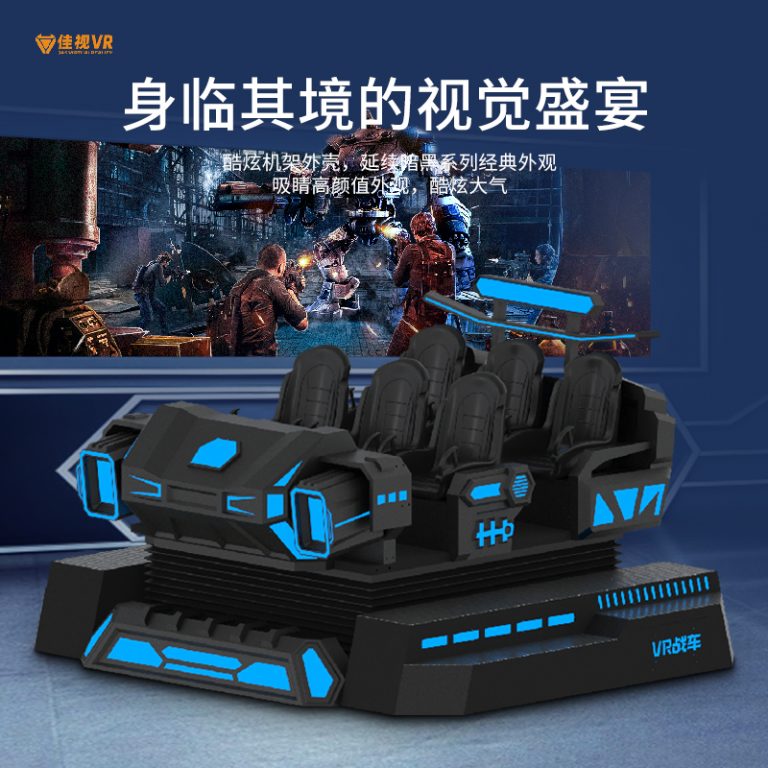
Detailed Introduction to Natural Disasters Available in VR Typhoon & Earthquake Experience Safety House Popular Science Museum
Preface
With the continuous advancement of domestic safety education and disaster prevention popular science industries, the traditional popular science model relying on graphic presentations and billboard lectures has obvious limitations. It fails to help visitors perceive the destructive power of disasters and master key risk avoidance skills through personal experience. Built with VR virtual reality technology, six-degree-of-freedom dynamic platforms, real-scene environmental simulation as well as sound, light, water and mist special effects, the VR safety house for disaster prevention breaks restrictions of natural weather and geographic space. Inside an entirely secure enclosed space, it reproduces real scenarios of various natural disasters at a 1:1 ratio, making it standard core equipment for primary and secondary school safety education bases, community disaster prevention experience halls, emergency science museums, fire training venues and government & enterprise safety education exhibition halls. Centered on two core disasters — earthquakes and typhoons, the whole VR disaster experience system extends to more than ten common natural disasters covering geological, meteorological, hydrological and secondary derivative categories. Adopting an integrated popular science mode of immersive visual presentation, physical vibration experience and interactive risk-evasion operations, visitors can go through the whole process of disasters in person and systematically learn early warning identification, on-site sheltering, post-disaster self-rescue and orderly emergency evacuation skills. Focusing on various natural disasters simulated by the VR safety house, this paper elaborates from four dimensions including disaster formation causes, simulated experience contents, popular science teaching points and practical education value.
Chapter 1 Geological Disasters: Centered on Earthquakes with Derivative Geological Hazard Simulations
As the core experience item of the whole VR safety house and one of the most destructive abrupt geological disasters widely known to the public, the earthquake simulation is equipped with a multi-axis dynamic vibration platform, matched with wall shaking special effects, dust falling sound effects, flickering lights and real cracked-wall images to restore physical sensations brought by earthquakes of different magnitudes. Based on earthquake scenarios, four other typical geological disasters including landslides, mudslides, ground collapse and rock avalanches are added to form a complete geological disaster popular science system.
1.1 Tiered Earthquake Experience by Different Magnitudes
The VR system divides earthquake experiences into three stages by magnitude: minor perceptible earthquakes of magnitude 3 to 4, moderately destructive earthquakes of magnitude 5 to 6 and catastrophic earthquakes above magnitude 7, adapting to visitors of different age groups. Primary students can experience low-magnitude popular science content while adults and professional trainees can take full high-intensity disaster simulations.
In the magnitude 3–4 perceptible earthquake phase, the platform shakes slightly at low frequency; lamps indoors swing gently and ornaments shift marginally with no structural damage to buildings in VR scenes. This part mainly teaches visitors to spot pre-earthquake warning signs such as underground rumble sounds, abnormal animal behaviors and sudden power tripping of household appliances.
During magnitude 5–6 moderate earthquakes, the dynamic platform bumps sharply side to side and moves up and down drastically. The environmental control system sprays simulated dust and produces banging noises of doors and windows. Cracks appear on residential building walls, ceiling parts fall off and furniture topples in virtual scenes. The core teaching objective is to implement the sheltering principle “Drop, Cover and Hold On”, guiding visitors to take refuge beside load-bearing walls while staying away from windows and bulky furniture.
Scenarios above magnitude 7 serve as advanced heavy-duty experiences. The platform tilts and shakes violently to simulate building collapse, pavement fracture and large-scale wall breakdown, accompanied by secondary dangers such as fire caused by gas leakage and water flooding from burst water pipes. Visitors need to plan reasonable escape routes amid collapsing buildings and avoid fatal risks including falling overhead debris and secondary structural collapse after earthquakes. Besides, aftershock simulation is embedded: intermittent small vibrations occur after the main shock to popularize hidden dangers of aftershocks and correct the wrong cognition of returning to damaged buildings immediately once an earthquake stops.
1.2 VR Simulation of Mountain Landslides
Frequently triggered by heavy rainfall or earthquakes, landslides are common geological hazards in mountainous areas and indispensable for disaster science education. The VR scene constructs real landscapes of mountain villages and winding mountain highways. In the early stage, continuous rainy weather soaks mountain soil; small stones roll down sporadically as pre-warning signals together with mild platform jolts indicating loose soil layers. Once landslide breaks out, massive soil mixed with trees and boulders slides down steep slopes rapidly, burying mountain-foot villages and blocking mountain roads. The mist and rain system sprays water to recreate storm conditions with surround sound of roaring soil-rock friction. During experience, instructors explain geographic features of landslide-prone zones and the correlation between rainfall and geological loosening. Key risk avoidance rules are delivered: never run along the sliding direction when encountering landslides; quickly evacuate to stable highlands on both sides of slopes and keep away from gullies, steep hills and houses built at mountain bottoms. This program is widely applied in regular safety courses for mountain-area primary and secondary schools and geological science museums, filling the gap that traditional classroom teaching cannot visually display landslide destruction.
1.3 Immersive Mudflow Escape Simulation
Set in mountain valleys and river courses, mudflow scenarios are induced by heavy rain plus loose surface deposits. In early virtual scenes, continuous downpours wash mountain valleys, river levels rise sharply and exposed hillside sediment loosens with scattered falling gravel as early warning clues. When mudflow erupts, thick sediment mixed with giant rocks and broken tree trunks rushes down along river valleys at high speed, submerging villages and farmlands beside waterways instantly. The safety house creates violent ground vibration, roaring wind and sprayed mist to restore harsh on-site environments. Interactive multiple-choice questions pop up during the experience: visitors must make correct emergency choices within limited time; wrong options trigger warning scenes of being trapped by mudflows to deepen memory. Popular science highlights differentiate escape logic between mudflows and ordinary floods: never flee along upstream or downstream riverbeds but move toward high ground on both valley sides promptly and stay out of low-lying river zones. Relevant common sense including high-incidence seasons of mudflows and daily hazard inspection is also covered.
1.4 Rock Avalanche & Ground Collapse Simulation
Rock avalanche scenarios are built around steep cliffs, quarries and precipices. Earthquakes or prolonged heavy rains loosen rock layers, leading to huge boulders falling from high altitude and destroying buildings and roads at hill bottoms. Sudden platform vibration and crashing stone sounds restore the impact of falling rocks. Ground collapse simulations contain two types: karst collapse and collapse triggered by engineering construction. Roads sink abruptly to form giant pits and houses subside instantly in virtual images, intuitively demonstrating sudden risks from underground hollow spaces. These two items focus on site selection guidance: avoid constructing houses under cliffs, above karst depressions or abandoned mine pits; evacuate immediately once ground cracks or partial subsidence are spotted.
Chapter 2 Meteorological Disasters: Centered on Typhoons plus Downpour, Thunderstorm, Sandstorm & Cold Wave Simulations
As the second core project of the VR safety house, typhoon experience relies on adjustable wind generators, artificial rainfall sprayers and fog-light special effects to reproduce the full lifecycle of typhoons from ocean formation, coastal landing, regional transit to post-disaster recovery. Based on typhoon settings, multiple extreme weather simulations are developed to cover high-frequency meteorological disasters across southern coastal and northern inland China and satisfy diversified popular science demands nationwide.
2.1 Full-Cycle Tiered Typhoon Immersive Experience
Typhoon simulations are categorized by wind force into tropical depression, tropical storm, severe typhoon and super typhoon with wind speed and rainfall intensity adjusted synchronously by supporting equipment. At tropical depression stage, wind blows gently with rising ocean waves and thickening clouds to introduce typhoon coding rules and early warning signal identification. Wind intensifies and scattered rainfall appears in tropical storm phase; instructors explain meanings of blue typhoon warning and pre-disaster home preparation such as reinforcing windows and clearing high-rise outdoor sundries. The landing of severe typhoon marks the experience climax: powerful artificial wind and continuous falling rain create harsh storm environments; virtual scenes show coastal seawater backflow, snapped trees, overturned prefabricated houses and falling outdoor billboards with slight platform shaking simulating building impact under strong winds. Visitors learn suspension of work and classes under orange & red typhoon alerts, prohibitions of coastal outdoor activities and evacuation rules for low-lying regions. Super typhoon scenarios add storm surge content: towering seawater floods coastal towns and swells inland rivers, highlighting emergency relocation standards for coastal residents. The whole typhoon experience links pre-warning identification, household protection, outdoor risk avoidance and coastal evacuation into a complete disaster prevention curriculum for regular community and campus training in coastal cities.
2.2 Extreme Downpour & Urban Waterlogging Escape Simulation
Extreme heavy rain can run independently or serve as secondary disasters after typhoons. VR scenes simulate continuous heavy rainfall overwhelming urban drainage systems: water accumulates rapidly on roads and submerges lowlands, underground parking lots and underpass tunnels with floating debris drifting in flowing water. Matching spray devices produce real raining feelings during experience. Interactive tasks test visitors’ emergency judgment: wrong behaviors such as taking shelter in underground culverts or wading across unknown deep water trigger drowning warning animations. Core popular science points include keeping away from culverts, low-lying tunnels and dilapidated buildings during heavy rains, transferring properties in advance for residents in flood-prone residential quarters and avoiding blind wading in unclear ponding areas. Mountain flood induced by torrential downpour is supplemented to connect with previous mudflow-related knowledge and realize associated disaster teaching.
2.3 Real-Scene Thunder & Lightning Simulation
Set under overcast stormy skies, lightning experience features dark cloud-covered cities, flickering flash special effects and rumbling thunder acoustics with fine mist simulating rainy air. Three sub-scenes are designed: thunder strike in open fields, hiding under trees during storms and indoor lightning prevention in high-rises. Improper choices such as sheltering under trees, running in open areas, touching metal water pipes or using electrical appliances in thunderstorms will trigger real lightning hazard animations to show hidden dangers directly. Instructors explain working principles of lightning rods and indoor & outdoor lightning protection specifications to eliminate widespread daily lightning prevention misunderstandings.
2.4 Sandstorm & Cold Wave Extreme Weather Simulation
Sandstorm experience targets North and Northwest inland China: strong wind carrying yellow sand sweeps across cities with sharply reduced visibility and dust spreading everywhere. Wind machines plus fine spray recreate sand blowing onto human faces while virtual images show roads buried by sand and trapped outdoor vehicles. Visitors learn sandstorm early warning signs, outdoor protection gear requirements, door & window sealing measures and outdoor activity restrictions. Cold wave simulations center on sharp temperature drop, heavy snow and freezing rain: icy slippery roads cause vehicle loss of control, water pipes crack and crops suffer frost damage in virtual scenes. Combined with simulated low-temperature atmosphere, the course covers pre-cold-wave crop antifreeze measures, indoor cold-proof tips and safe traveling rules on icy pavements.
Chapter 3 Hydrological & Secondary Derivative Disasters: Flood, Tsunami, Post-Quake Fire & Gas Explosion Integrated Experience
Natural disasters rarely occur separately; primary disasters easily trigger secondary hazards which cause most secondary casualties. The VR safety house sets an independent secondary disaster experience zone integrating river flood, earthquake-induced tsunami, post-quake fire and gas leakage explosion to complete full-chain disaster prevention education.
3.1 River Flood Escape Simulation
Two flood types are available: dam-break flood and levee-breach flood. Collapsed dams release raging floodwater submerging villages and farmlands with fast-flowing current overturning houses and vehicles. Spraying devices splash simulated flood waves and platform shakes follow water impact rhythms. During experience, visitors master pre-flood material stockpile and highland evacuation rules; when trapped by floods, they learn to use door panels or large floating objects for self-rescue, avoid rushing into rapid currents blindly and stay away from fast-moving floodwaters.
3.2 Earthquake-Triggered Tsunami Simulation
Tsunamis originate from violent crustal movement under seabed earthquakes. In virtual scenes, seawater recedes abnormally to expose underwater reefs as pre-warning signs before giant waves rush toward coastal land and engulf coastal towns and docks instantly. Coordinated high-power wind and large-flow water spray restore huge wave impact environments. The core teaching focuses on emergency evacuation: once abnormal seawater retreat is spotted on seashores, residents must move inland to highlands immediately to abandon the wrong habit of picking stranded seafood on exposed seabeds.
3.3 Post-Earthquake Fire & Gas Explosion Simulation
Broken gas pipelines and short-circuited wires caused by seismic shaking easily trigger gas leakage, open fire and explosion, the most common post-quake secondary disasters. Virtual indoor gas detonation ignites furniture and dense smoke blocks building corridors while harmless simulated smoke fills the experience room to restore oxygen-deficient fire environments. Visitors must bend down and cover noses to evacuate along walls following standard fire escape procedures, learning initial small fire fighting, shutting off main gas valves after leakage and forbidding electrical switch operations under gas leaks. This part connects earthquake shelter knowledge with fire escape skills seamlessly.
Chapter 4 Popular Science Application Value of VR Natural Disaster Safety House
Breaking away from rigid textbook-based preaching, the immersive VR experience strengthens memory via personal physical feelings and fits multiple application scenarios including primary & secondary school research trips, community disaster prevention campaigns, emergency management staff training and science museum exhibition. From education perspective, teenagers master disaster pre-warning features, sheltering motions and self-rescue capabilities through firsthand experience to improve survival competence facing sudden hazards. For social popular science, regular community training corrects public disaster prevention misconceptions and raises nationwide comprehensive disaster reduction literacy. For government and enterprise vocational training, emergency management, fire control and safety supervision personnel conduct on-site disposal drills under multi-disaster simulated environments to upgrade on-site commanding and rescue capabilities. With continuous implementation of national emergency popular science policies, all-in-one multi-hazard VR safety house has become rigid demand for safety education infrastructure nationwide. Diversified customizable disaster scenarios and adjustable popular science scripts are core competitive advantages supporting wide installation of such equipment across domestic science education venues.
RELATED POSTS
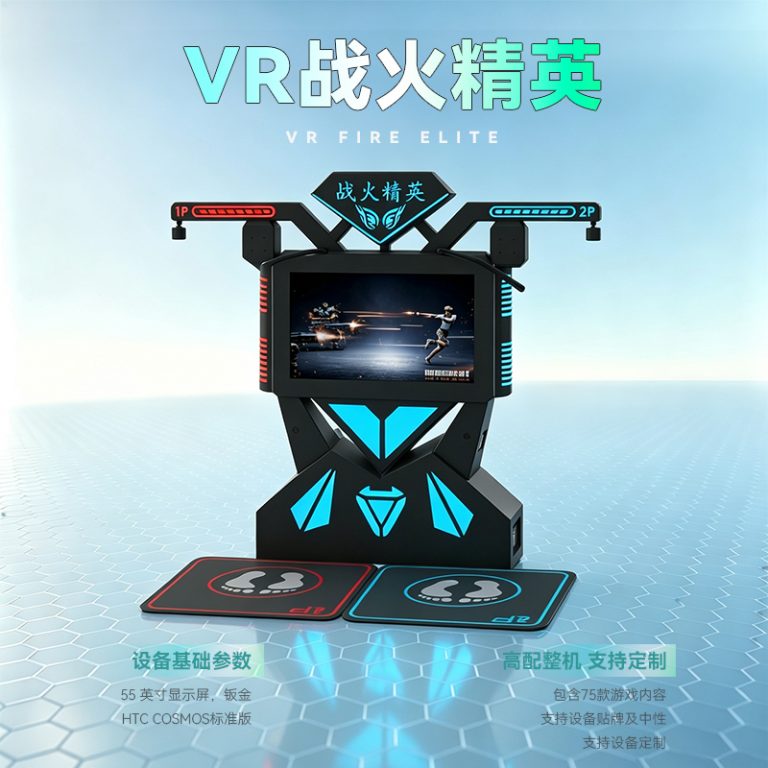
VR Warfire Elite Simulator Two-Player Shooting Battle Platform: A Complete Breakdown from Content DNA to Commercial Equipment
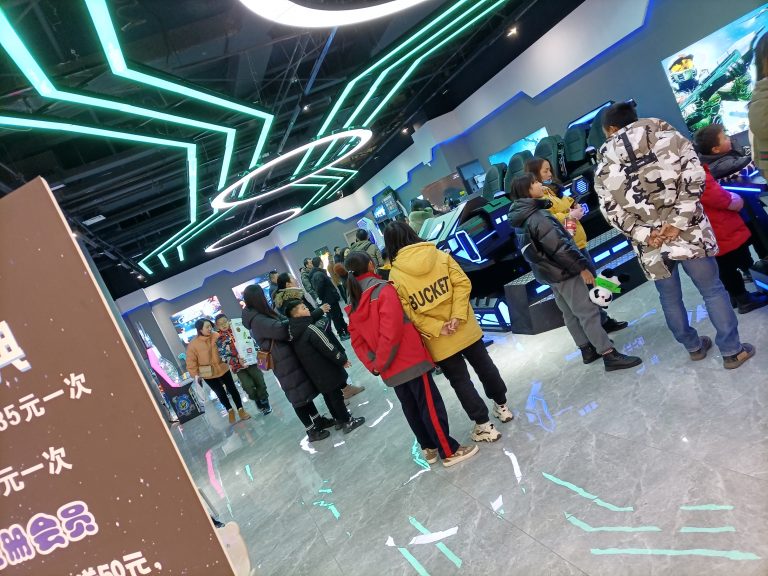
Comprehensive Practical Guide to Operating a VR Device Experience Center
Research on Diverse Applications of Compact Automobile Driving Simulators
Dynamic Military Battlefield Driving Simulator – Application Overview of Training Equipment for New Recruit Tank, Airship and Heavy Truck Training
Technology Empowers Driving Training Innovation – Application and Development of Driving Simulators in Driving Schools