Diverse Applications and Practical Values of Simple Driving Training Simulators
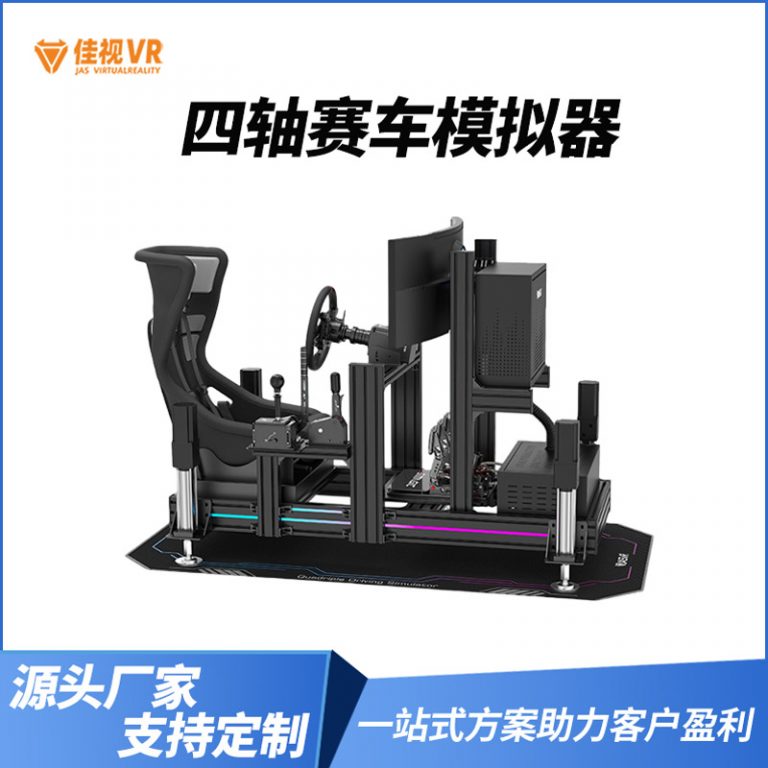
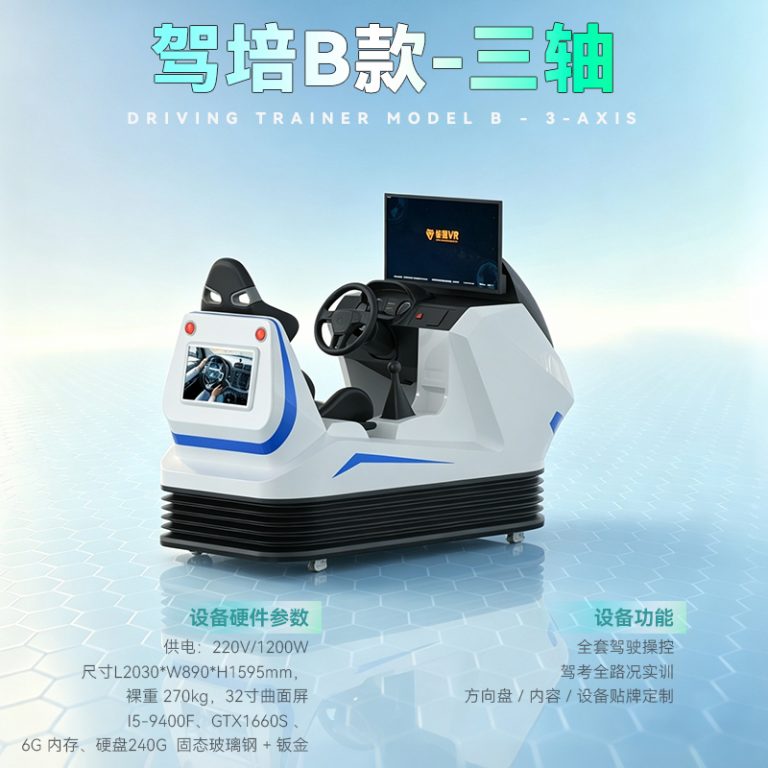
With the intelligent development of driving test training, simple driving training simulators have broken the temporal and spatial limitations of traditional real-vehicle training by virtue of their easy operation, low cost and rich scenarios. They have become important auxiliary tools for driving test learning and driving skill cultivation. Unlike large professional simulation equipment, simple driving training simulators are compatible with mobile phones, tablets and small simulation devices. Their lightweight and user-friendly features enable them to be applied in a wide range of scenarios, covering personal driving test preparation, daily driving school teaching, driving skill consolidation and other fields, providing strong support for the lightweight and efficient development of the driving training industry.
Full-process simulation training for driving tests is the core application scenario of simple driving training simulators. Targeting the practical difficulties of Subject 2 and Subject 3 in driving tests, such simulators adopt real examination site data for modeling, restoring the actual scenes, road markings and test rules of various examination sites across the country in a one-to-one ratio. They accurately reproduce the five core items of Subject 2 including reverse parking, side parking and ramp start, and cover the entire test process of Subject 3 such as road driving, lane changing and overtaking, road crossing courtesy and light simulation. Learners can carry out special training anytime and anywhere without occupying real vehicles and site resources. The system can accurately record details such as operation errors, steering wheel turning timing and vehicle speed control, and conduct real-time scoring and error correction. This helps learners quickly identify operational flaws, standardize their operating habits, effectively solve beginners’ common problems such as inaccurate point judgment and unskilled operation procedures, and greatly improve the efficiency of test preparation.
Alleviating learning pressure and enabling zero-based beginners to get started is an important application value of the simulators. Most new learners tend to feel nervous and flustered with shaky hands during their first contact with real vehicles, and even suffer from anxiety about driving learning due to the fear of lane crossing and test failure. Simple driving training simulators have extremely low operation thresholds, fully replicating the operation logic and real driving feel of the steering wheel, accelerator and brake of real vehicles. Zero-based learners can first get familiar with vehicle control principles, build spatial perception and vehicle distance judgment capabilities, and gradually adapt to the driving rhythm through simulators. This stress-free training mode can effectively eliminate beginners’ fear of driving, help them smoothly pass the initial adaptation stage, and lay a solid foundation for subsequent real-vehicle training.
Multi-scenario and multi-road condition adaptive training broadens learners’ practical driving horizons and further enriches the application dimensions of the simulators. Restricted by weather, road conditions and traffic flow, traditional real-vehicle training fails to expose learners to complex and special road conditions. Simple driving training simulators can freely switch between different driving environments such as sunny days, rainy days, foggy days and nights, and simulate various real road scenarios including morning and evening peak traffic congestion, sudden pedestrian crossing and braking on slippery roads. Through repeated drills, learners can master driving skills and emergency response methods under different road conditions, making up for the scenario deficiencies of conventional driving training. This not only guarantees the passing of driving tests, but also helps develop standardized and safe driving habits and improve actual road driving capabilities.
Empowering the lightweight teaching upgrading of driving schools is the core industry application of the simulators. Traditional driving school real-vehicle training faces prevalent problems such as high costs, large vehicle wear and tear, limited site resources, as well as long waiting queues and insufficient training duration for learners during peak periods. By introducing simple driving training simulators, driving schools can take simulation training as a pre-teaching link. Learners can master basic operations proficiently through simulation training before conducting real-vehicle practice, which greatly reduces real-vehicle training time and cuts down teaching costs such as fuel consumption and vehicle wear and tear. Meanwhile, the standardized teaching process of simulators unifies teaching standards, avoids learning deviations caused by different teaching methods of coaches, improves overall teaching quality, and adapts to the large-scale and standardized needs of driving training teaching.
In conclusion, simple driving training simulators bridge the gap between theoretical learning and real-vehicle training, meeting multiple needs including personal test preparation, beginner entry, skill improvement and industrial teaching. With the advantages of lightweight design, high efficiency and low cost, they effectively make up for many shortcomings of traditional driving training. They not only help learners easily overcome driving test difficulties and consolidate driving foundations, but also promote the quality and efficiency improvement of the driving training industry, becoming an indispensable practical tool in the current intelligent driving training system.
RELATED POSTS
Site Planning Design and Practical Scheme for Automobile Driving Simulators
Technology Empowerment and Scenario Innovation: An Analysis of the Future Development Trends of Truck Cab Simulators
Analysis on Application Scenarios of Automobile Driving Simulators
Diverse Application Scenarios and Value Analysis of VR Bicycle Simulators