
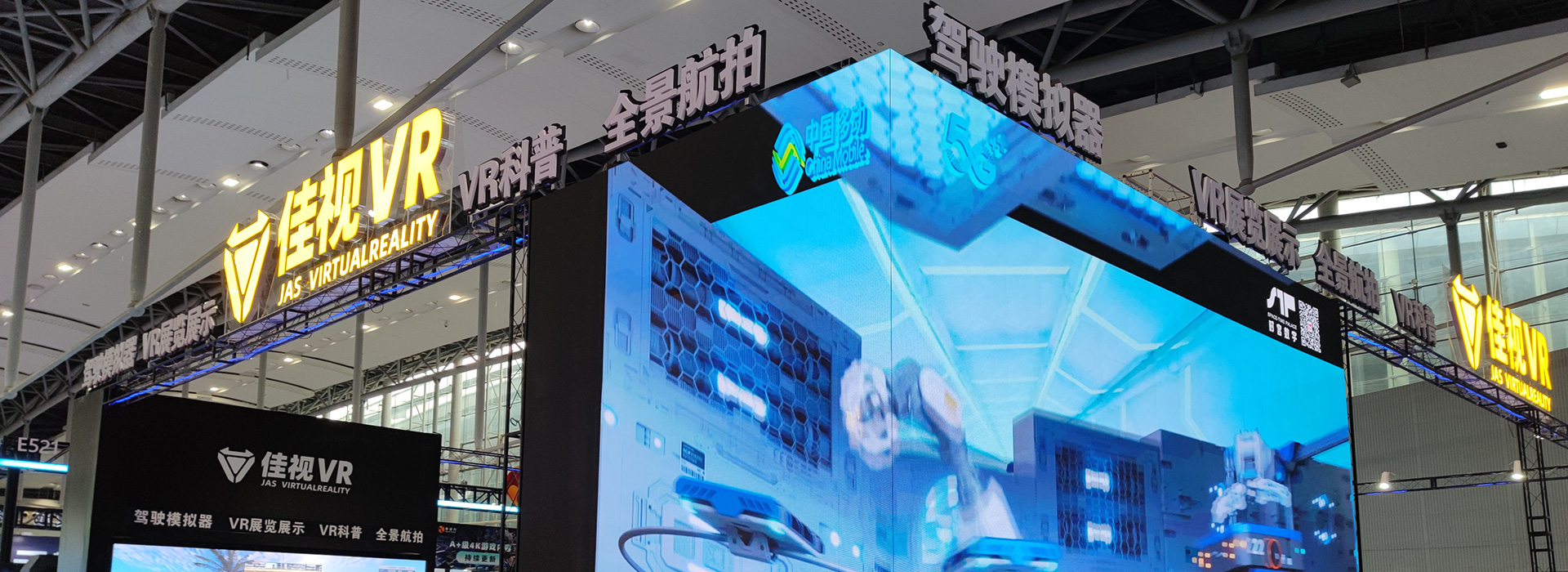
In‑depth Analysis of Application Scenarios of 4‑DOF Racing Simulator
Abstract: With the popularization of automotive culture and rapid iteration of immersive simulation technology, racing simulation is no longer confined to niche enthusiast circles. The 4‑DOF (four‑degree‑of‑freedom) racing simulator adopts a 4‑axis motion platform driven by servo electric cylinders. Combined with force‑feedback steering wheel, professional pedal set and multi‑screen display system, it realistically restores vehicle dynamic effects such as pitch, roll, vertical undulation and fore‑aft impact. It reproduces rich driving sensations including acceleration push‑back, brake nose‑dive, corner roll, road bumpiness and drift‑skid. Compared with static simulators, it delivers genuine dynamic feedback. Compared with high‑end 6‑DOF equipment, the 4‑DOF racing simulator features moderate cost, small footprint and simple operation & maintenance, filling the market gap between static devices and research‑grade high‑end equipment. Currently, 4‑DOF racing simulators cover commercial entertainment, driving training, professional driver practice, university teaching, automotive brand marketing, cultural‑tourism science‑popularization, e‑sports competitions and many other sectors. Starting from technical characteristics, this paper sorts out various practical application scenarios, analyzes pain points, application values and implementation modes for each scenario, and prospects industry development. The full text totals about 2 980 words.
Keywords: 4‑DOF racing simulator; 4‑axis motion platform; virtual simulation; driving training; immersive racing; commercial cultural‑tourism
- Introduction
Automobile racing culture keeps booming, and racing‑sport experience has become a popular consumer hotspot. Nevertheless, real‑world racing training has extremely high barriers: race‑track resources are scarce, vehicle procurement and maintenance are costly, and high‑speed racing carries substantial safety risks. Ordinary enthusiasts barely get sufficient real‑car practice opportunities. Meanwhile, motor‑vehicle driving training and automotive science‑popularization publicity have long been confronted with practical difficulties: monotonous scenarios, insufficient immersion, and impossibility of repeated drills for high‑risk working conditions. Traditional static racing devices only provide visual output without physical body motion feedback; users merely operate games without physical perception of vehicle posture changes, which greatly weakens training and experience effects.
Against this backdrop, 4‑DOF racing simulators gain large‑scale market adoption. The four‑degree‑of‑freedom motion platform realizes pitch, roll, vertical lifting and fore‑aft movement. Paired with force‑feedback steering wheel, hydraulic pedals and triple‑screen display system, it synchronizes virtual race‑track content with physical motion feedback. When vehicles corner at high speed, the platform tilts correspondingly; emergency braking triggers forward pitching; driving over bumpy roads generates vibration and undulation, bringing users cockpit‑like sensory experience close to real cars. Compatible with massive racing software such as Assetto Corsa, F1 series, WRC Rally and Euro Truck Simulator, the system supports both recreational racing and standardized driving training. Hardware appearance, shell, interface and vehicle parameters can be customized to meet differentiated demands of diverse customers.
Modular‑designed equipment requires no special foundation reconstruction and runs on regular indoor power supply. It supports permanent fixed installation as well as temporary setup for exhibitions and mobile science‑popularization. Serving both B‑end industrial training and C‑end entertainment, it has become mainstream simulation exhibits for experience halls, driving schools, vocational colleges, auto showrooms and science‑popularization bases with continuously expanding application boundaries. - Commercial Experience Halls & Amusement Venues: Immersive Racing Attraction for Passenger Flow
Commercial VR experience halls, game centers, shopping‑mall amusement zones and theme parks represent the most common commercial deployment scenarios for 4‑DOF racing simulators. Amid consumption upgrading, immersive interactive projects have become vital tools for commercial venues to attract visitors. Racing appeals to broad audiences suitable for all ages, making it a high‑repeat‑customer project.
Most traditional arcade racing machines only adopt speaker‑driven vibration without real platform posture change, resulting in limited immersion. The 4‑DOF dynamic racing simulator delivers authentic physical motion via servo‑driven platforms. Corner roll, brake nose‑dive and road bump are reproduced in real‑time. Multi‑sensory stimulation easily draws passers‑by and boosts venue foot traffic. Its futuristic mechanical appearance works as photo‑worthy check‑in spots.
Commercial operation imposes strict requirements: equipment must sustain high‑frequency continuous operation with low failure rate, easy maintenance and compact footprint. Compared with 6‑DOF simulators, 4‑DOF units occupy less space, consume lower power and keep controllable operating costs, well‑suited for profit‑oriented business models. Operators can adopt time‑charged experience or package tickets. Multi‑player online racing enables visitors to compete lap‑times, enhancing interactivity and secondary consumption willingness.
Furthermore, it can be integrated into amusement sectors of cultural‑tourism scenic spots and research‑study bases. While playing, visitors acquire knowledge about vehicle handling and race‑tracks, combining entertainment with science‑popularization. Some shopping malls place simulators in cinema waiting areas or atriums to revitalize idle space into revenue‑generating positions and improve floor‑area efficiency. - Driving‑School & Public Driving‑Training Scenarios: Auxiliary Training Equipment for Motor‑Vehicle Instruction
Traditional driving‑school training heavily relies on real‑vehicle teaching, which brings inherent drawbacks: high fuel consumption and vehicle wear; training suspension under bad weather such as rain, snow and heavy fog; impossibility of repeated drills for high‑risk emergency conditions on public roads; collision risks caused by novice mis‑operation. The 4‑DOF racing simulator serves as an important supplement for smart driving‑school systems for preliminary teaching.
Before getting behind real‑wheel vehicles, trainees practice steering‑wheel control, throttle‑brake coordination and gear‑shifting logic on simulators to build muscle memory. Subsequent real‑car practice reduces vehicle collision risks, cutting driving‑schools’ vehicle‑wear and fuel costs. The system simulates slippery rainy roads, night‑time driving, emergency braking, sudden obstacles and high‑speed risk‑avoidance, enabling repeated drills for risk prediction and emergency response capabilities.
Apart from beginner trainees, simulators benefit drivers who hold licenses but rarely drive. Many licensed drivers feel nervous returning to roads after long‑term inactivity. Simulated urban‑road and intersection practice rebuilds driving confidence. For professional freight and passenger‑transport drivers, it supports regular safety retraining covering fatigue‑driving and sudden‑evasion scenarios to reinforce safe‑driving awareness.
It should be clarified that 4‑DOF racing simulators are auxiliary teaching tools and cannot completely replace real‑road training. Virtual sessions consolidate basic operations and simulate extreme conditions; real‑vehicle practice delivers authentic road‑environment experience. The two complement each other to improve training quality. - Racing Clubs & Driver Training Scenarios: Low‑Cost Race‑Track Training Tools
For amateur racing enthusiasts, club drivers and youth racing trainees, real‑track practice is extremely expensive. Race‑track booking, tire wear, fuel and vehicle maintenance create high per‑session costs, and training is restricted by weather and venue schedules. The 4‑DOF racing simulator provides low‑cost training solutions for homes or clubs.
Drivers reproduce real‑world race‑track layouts on simulators to repeatedly practice racing lines, braking points and corner‑entry‑exit rhythm, getting familiar with track geometry and polishing operational muscle memory. The motion platform delivers G‑force‑related physical sensations of understeer, oversteer and drift to deepen perception of vehicle dynamics. Background system records complete telemetry data including lap time, braking points and throttle curves. Coaches review logs to identify mistakes and optimize driving techniques.
Limited by hardware grade, 4‑DOF equipment cannot fully replicate extreme G‑forces achieved by high‑end 6‑DOF research‑grade simulators. It is more suitable for daily practice of amateur and youth reserve drivers, while professional racing teams adopt premium 6‑DOF platforms for formal R&D tests. Nevertheless, its outstanding cost‑performance makes it ideal for bulk procurement by racing training institutions and clubs to lower overall training expenses. - Vocational Colleges & University Automotive Programs: Teaching Tools for Vehicle‑Engineering Courses
Transport‑oriented vocational colleges and university vehicle‑engineering majors build automotive‑training laboratories for courses covering automobile structure, vehicle dynamics, automotive theory and driving manipulation. 4‑DOF racing simulators bridge theoretical classroom knowledge and virtual hands‑on practice.
During lectures, while instructors explain vehicle‑dynamics principles, students directly experience physical feedback on simulators: pitch under hard braking, roll during high‑speed cornering and body undulation on bumpy pavements. Abstract textbook theories are transformed into tangible personal perception. Training sessions set varied road surfaces and vehicle parameters to compare handling differences among front‑wheel‑drive, rear‑wheel‑drive and four‑wheel‑drive cars, helping students understand how drive layouts and tire grip affect driving states.
The background records each student’s operation data and generates training reports accessible for teachers for classroom review and assessment. Beyond racing‑oriented teaching, simulators support driving drills for family sedans and freight vehicles for defensive‑driving education. Some institutes deploy simulators in automotive‑science‑popularization exhibition halls for campus open‑day events to spread automotive culture. - Auto‑Brand 4S Stores & Exhibition Marketing Scenarios: Immersive Customer‑Acquisition Tools
With strong demonstration value, 4‑DOF racing simulators are widely deployed in auto‑brand showrooms, 4‑S dealerships and auto expos as differentiated marketing exhibits integrating product display and user experience.
In traditional dealership sales models, real‑road test drives are constrained by traffic conditions and time, making many road conditions inaccessible. Installing 4‑DOF racing simulators enables import of brand‑specific 3‑D vehicle models and dynamic parameters. Without real‑road driving, customers experience vehicle performance on virtual urban roads, winding mountain roads and slippery pavements, perceiving acceleration, braking and corner‑handling characteristics to deepen product understanding and enhance purchase experience.
Simultaneously, simulators convey brand sport‑oriented genes and upgrade store tech‑sense. They extend customer stay duration and improve conversion possibilities. At large‑scale auto expos, highly‑interactive simulators quickly gather crowds as booth highlights, boosting brand exposure. Logos, lighting and boot‑up interfaces can be fully customized to match corporate brand identities. - Traffic‑Safety Experience Halls & Science‑Popularization Bases: Safety‑Education Exhibits
Local traffic‑safety museums and public‑safety‑education bases focus on motor‑vehicle traffic‑safety warning education. Conventional publicity mostly relies on display boards and video clips for passive knowledge input, hardly enabling audiences to perceive consequences of dangerous driving.
4‑DOF racing simulators support general driving mode and accident‑teaching mode. When users commit violations such as speeding, reckless overtaking, distracted driving or faulty emergency evasion, the system triggers collision and loss‑of‑control scenarios. The motion platform delivers impact and roll‑over physical feedback for strong sensory warning. After simulation, accident replays analyze root causes, interpret relevant traffic regulations and launch quizzes to form a complete educational closed loop.
Content can be customized based on local typical traffic‑accident cases to improve targeted education value. Equipped with mobile trolleys, simulators can leave fixed venues for outdoor outreach campaigns such as National Traffic‑Safety Day and Work‑Safety Month, disseminating safe‑driving knowledge for citizens and supporting urban traffic‑safety governance. - E‑Sports Events & Corporate Team‑Building Scenarios: Competitive Interactive Equipment
4‑DOF racing simulators serve as popular interactive devices for offline e‑sports competitions and corporate team‑building activities. Racing naturally carries competitive attributes and supports multi‑unit online matches for offline simulated‑racing tournaments.
For corporate events, one or multiple 4‑DOF racing simulators organize staff lap‑time PK with small prizes, enriching team‑building formats beyond traditional meetings and games and lifting participant engagement. At auto‑themed carnivals and roadshows, simulators attract on‑site crowds and liven up atmosphere. Some e‑sports arenas deploy multiple units to host amateur simulated‑racing leagues and build offline racing event IPs. - Value Summary & Industry Outlook for 4‑DOF Racing Simulators
Summarizing multi‑scenario practices, 4‑DOF racing simulators feature five core strengths versus static simulation devices:
First, authentic physical feedback including pitch, roll and bump greatly improves immersion.
Second, excellent cost‑performance reduces procurement and maintenance costs compared with 6‑DOF platforms and facilitates large‑scale deployment.
Third, flexible modular deployment requires no special civil‑engineering work for both fixed venues and temporary exhibitions.
Fourth, high customizability covers appearance, software UI, vehicle models and training scenarios.
Fifth, multi‑purpose functions integrate entertainment, skill training, science‑popularization and commercial marketing for multi‑dimensional value.
Meanwhile, we should objectively define its positioning. As mid‑tier simulation hardware, 4‑DOF simulators are limited by motion‑axis quantity and underperform high‑end 6‑DOF platforms in extreme‑condition simulation. They act as effective auxiliary tools rather than full substitutes for real‑track training; virtual‑training outcomes need transformation through real‑world practice. Future hardware will evolve toward low‑latency, lightweight and AI‑assisted training. Software will expand scenario libraries and vehicle databases for broader application boundaries.
With growing domestic automotive culture and declining immersive‑simulation hardware costs, application scenarios of 4‑DOF racing simulators will keep expanding. Bridging entertainment consumption, vocational training, science‑popularization and commercial marketing, they satisfy public recreational racing demands while supporting driving‑school instruction, university research and traffic‑safety public education, promising considerable commercial and social value and broad market prospects.
RELATED POSTS
Multidimensional Skill Experience and Value Analysis of Professional Training on Automobile Driving Simulators
Diverse Application Scenarios and Value Analysis of VR Bicycle Simulators
The Applications of Racing Simulators: A Comprehensive Analysis
A Thrilling Immersive Experience – The Fatal Attraction of Horror Scenes in VR Experience Stores
Beyond Popular Science: The Four Core Application Scenarios and Value of VR Fire Experience Halls
