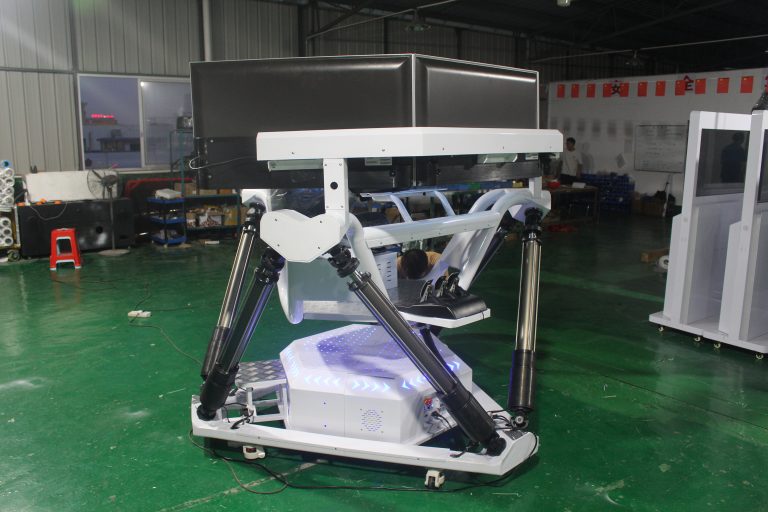
Intelligent Driving Integration, Track Expansion – Analysis of the Future Market Development of Racing Simulators (English Version)
It affects the fairness of large-scale online events and restricts the expansion of e-sports scenarios [6]. In addition, risks in the international economic and trade environment, inconsistent industry standards and other issues also pose certain constraints on the development of the industry [6].
(II) Future Development Outlook (2026-2035)
Looking ahead to the next 10 years, the racing simulator market will enter a critical stage of technology landing, market expansion and ecological maturity, presenting four major development trends. First, the market scale will continue to double, the global market will exceed 4 billion US dollars, and China will become the core growth engine in the world. Household consumption and commercial scenarios will explode simultaneously, entry-level products will become the main force for household popularization, and the penetration rate of mid-to-high-end products in professional fields will continue to increase [4][6]. Second, technological integration will be deeper. VR/AR, AI and cloud rendering will become standard configurations, the sense of immersion will be close to real driving, and functions such as AI coaching and dynamic scene simulation will become the core competitiveness of products [1][6]. Third, application scenarios will continue to expand, upgrading from entertainment tools to a comprehensive platform integrating “professional training + automotive R&D + digital competition + driving education”, and integrating more closely with real racing, autonomous driving and digital sports [6]. Fourth, the ecological system will be more improved. Hardware-software integration, open co-creation and data-driven will become the mainstream. Enterprises will achieve complementary advantages through ecological cooperation, and blockchain technology will be used for the confirmation of driving behavior data rights, further enhancing ecological value [6].
Conclusion: The rise of racing simulators is an inevitable result of the in-depth integration of digital technology and physical industries, as well as an important embodiment of the digitalization of the sports industry and the intelligence of the automotive industry. At present, the industry is in a critical period of transformation from “niche” to “mass” and from “entertainment” to “professional”. Despite the challenges in cost, cognition, ecology and other aspects, driven by technological innovation, policy support and demand upgrading, its market potential will continue to be released. In the future, racing simulators will not only be entertainment equipment for racing enthusiasts, but also become an important bridge connecting real transportation, professional sports and automotive R&D, opening a new era full of opportunities and vitality.
RELATED POSTS
The Future is Here: A Deep Dive into the Flying Theater Market and Forecasting Industry Transformation at the Technological Singularity
Design and Implementation Plan of VR Rowing Immersive Sports Application
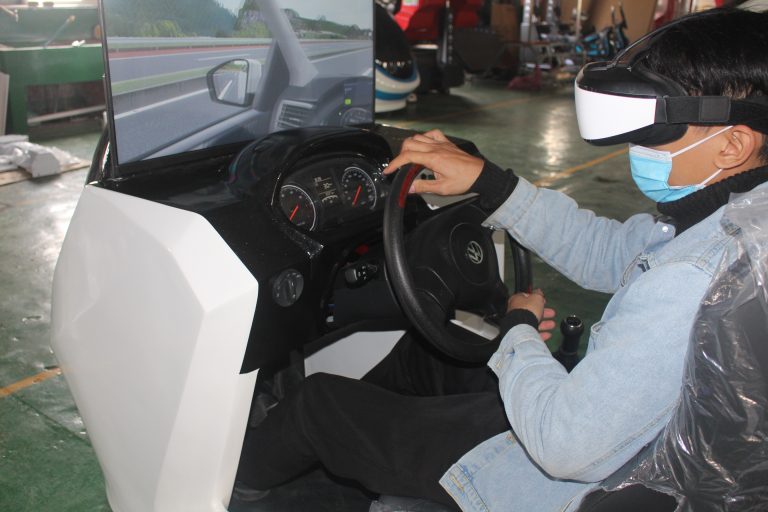
Can the driving simulator used in driving schools replace the instructor’s teaching?
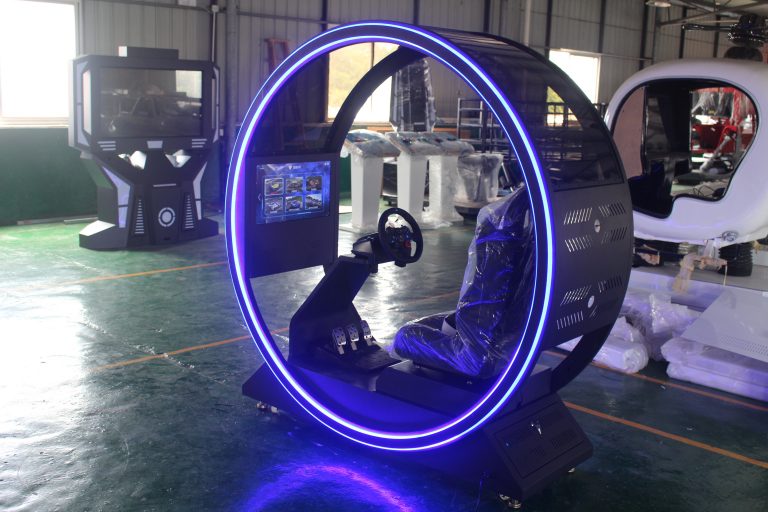
What are the advantages of car driving simulators in driving schools?
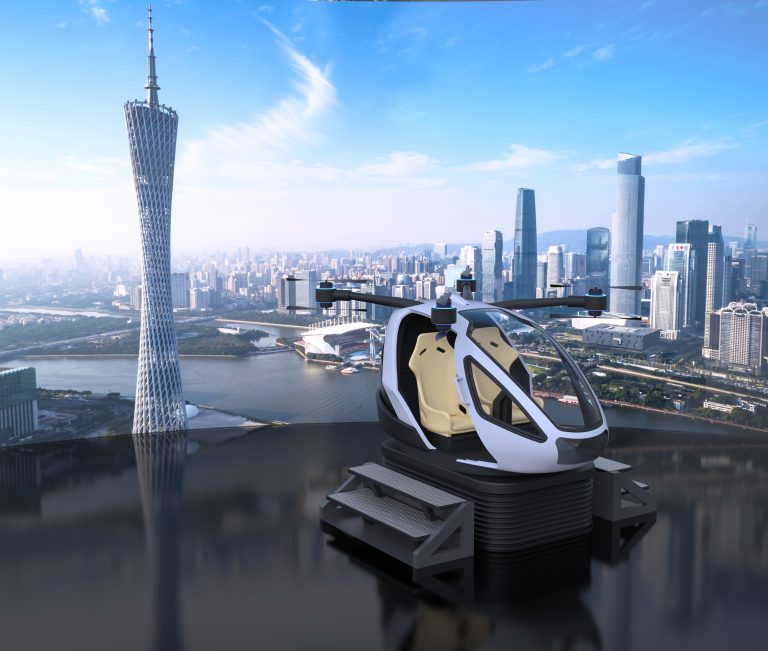
In-depth analysis of application scenarios of eVTOL simulators