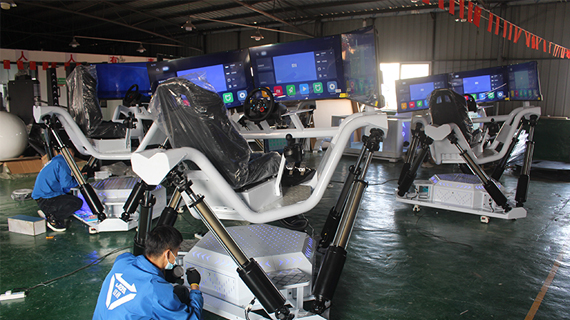
The Future Prospect of eVTOL Flight Simulators
Abstract As electric Vertical Takeoff and Landing (eVTOL) aircraft advance from technological verification to commercial implementation, eVTOL flight simulators have gone beyond the scope of traditional aviation training equipment. They have evolved into core digital infrastructure supporting the full industrial chain development of the low-altitude economy. From the dimensions of market scale, technological evolution, application scenarios, industrial value and existing challenges, this paper comprehensively analyzes the future development prospects of eVTOL flight simulators. It reveals their irreplaceable role in the whole chain of research and development, airworthiness certification, pilot training, operational support and public science popularization. It is predicted that eVTOL flight simulators will embrace a golden development period alongside the boom of the low-altitude economy, becoming a pivotal force driving the reform of Urban Air Mobility (UAM). 1. Industry Opportunity: Rise of Low-Altitude Economy Usher in an Outbreak Period for Simulators 1.1 Accelerated Commercialization of eVTOL Generates Rigid Market Demand As the core carrier of the low-altitude economy, eVTOL features zero emissions, low noise, vertical takeoff and landing, and high flexibility. It is regarded as a revolutionary solution to urban traffic congestion and the reconstruction of transportation patterns. Globally, the industry has entered the final stage of commercialization. By 2026, leading enterprises at home and abroad including Joby, Volocopter, EHang and Fengfei have completed multiple rounds of flight tests. Multiple aircraft models are in the critical phase of airworthiness certification by FAA, EASA and the Civil Aviation Administration of China. Large-scale commercial operation is expected to be realized between 2027 and 2030, with the global eVTOL fleet expanding from hundreds to thousands of units. The technical characteristics and operational scenarios of eVTOL are fundamentally different from those of traditional fixed-wing aircraft and helicopters. Adopting distributed electric propulsion systems, multi-rotor/tilt-rotor layouts, fly-by-wire flight control and battery energy management systems, eVTOL mainly operates in complex low-altitude airspace of 100–1000 meters above urban areas. It faces new challenges such as urban canyon wind shear, high-rise electromagnetic interference, high-density airspace coordination, and precise takeoff and landing at vertiports. Traditional aviation simulators cannot adapt to its unique dynamic characteristics, power system logic and scenario requirements. This has given birth to a brand-new market for eVTOL simulators, which has become an inevitable industry demand. 1.2 Market Scale: Steady Global Growth and Rapid Expansion in China According to forecasts by authoritative industrial institutions, the global eVTOL simulator market reached approximately 4–4.3 billion US dollars in 2025, with a Compound Annual Growth Rate (CAGR) of 6.7% from 2026 to 2035, exceeding 8 billion US dollars by 2035. The market structure shows clear segmentation: engineering research and development simulators account for 35%, serving model design, flight control iteration and system joint debugging; training-grade simulators occupy 40%, acting as the core carrier for large-scale pilot training; FAA/EASA certified full-motion simulators take up 20%, with a unit price as high as 20–50 million US dollars, forming the high-value core segment; public experience simulators account for 5%, tapping the blue ocean consumer market. The growth rate of China’s market far exceeds the global average. The market size reached about 320 million RMB in 2025, accounting for 25.6% of the global total. The CAGR will exceed 30% in the next five years. After 2030, the market will enter an exponential growth phase with the implementation of airworthiness certification and large-scale aircraft delivery. China has fully supported the low-altitude economy with favorable policies. The low-altitude economy has been incorporated into strategic emerging industries, and the opening of airspace below 1000 meters continues to advance. The Civil Aviation Administration of China is accelerating the formulation of eVTOL airworthiness standards, clearly taking simulator data as a core basis for airworthiness evaluation, creating policy dividends and market conditions for the development of the domestic simulator industry. 1.3 Core Driving Forces Consolidate the Foundation of Growth First, mandatory requirements for airworthiness certification. Global civil aviation regulators stipulate that eVTOL aircraft certification requires thousands of hours of virtual flight tests, covering full-scenario fault simulations such as power failure, battery thermal runaway, flight control malfunction and extreme weather. Simulators are essential tools for airworthiness verification, shortening the traditional certification cycle from 5–7 years to 3–4 years. Second, explosive demand for pilot training. The commercialization of eVTOL will create a shortage of hundreds of thousands of pilots. Real aircraft training features high cost, high risk and low efficiency, while simulator training costs only 5% of real flight training, reducing actual flight time by 80% and enabling 24/7 risk-free training, becoming the only way for large-scale talent cultivation. Third, irreplaceable advantages in technology and cost. The characteristics of eVTOL including electric propulsion, distributed rotor and urban low-altitude operation determine that real aircraft cannot completely replace simulators. Extreme faults, complex weather and high-density coordination scenarios are difficult to practice repeatedly on real aircraft, while simulators can restore real scenarios and reproduce them infinitely. Meanwhile, they greatly reduce carbon emissions from R&D and training, supporting the green transformation of aviation. Fourth, empowerment of the entire low-altitude economic chain. Beyond R&D and training, simulators extend to airspace planning, operational scheduling, emergency drills and public science popularization. They serve as a digital link connecting the whole industrial chain of “R&D-Manufacturing-Operation-Service”, delivering value throughout the entire industrial life cycle. 2. Technological Evolution: From High-Fidelity Simulation to Intelligence, Building a Virtual-Reality Integrated Ecosystem 2.1 Core Technological Breakthroughs Accurately Restore Essential eVTOL Characteristics 2.1.1 High-Precision Multidisciplinary Dynamic Simulation Breaking through the bottlenecks of traditional simulator technology, it realizes high-precision modeling of all flight modes of eVTOL. For different layouts such as multi-rotor, tilt-rotor and lift-cruise configuration, it accurately simulates complex dynamic characteristics including rotor tilting transition, aerodynamic coupling and thrust vector change. It deeply integrates electric propulsion system simulation to restore motor efficiency curves, battery discharge characteristics, voltage fluctuation and energy management logic, truly reflecting power response under full load, climbing and high-speed cruise conditions. It constructs a high-precision urban environment model covering over 1,000 square kilometers of urban areas and more than 800,000 building models, simulating the impact of high-rise canyon wind shear, electromagnetic interference and terrain fluctuation with millimeter-level simulation accuracy. 2.1.2 Upgrading of Immersive Somatosensory and Visual Technology High-end simulators are equipped with 6-axis/8-axis full-degree-of-freedom motion platforms, accurately restoring dynamic postures such as climbing, diving, turning, turbulence and forced landing. Combined with spatial rotor sound effects, tactile feedback seats and vibration simulation, it achieves multi-dimensional physical realism. The visual system adopts 8K ultra-high-definition circular screens and VR/AR immersive head-mounted displays, seamlessly integrating dynamic weather systems (rainstorm, snowfall, strong wind, haze), day and night alternation and traffic flow to build a virtual flight environment comparable to reality. It supports the simulation of LiDAR, millimeter-wave radar, visible light/infrared and other multi-spectral sensors, synchronously rendering point cloud data and echo signals to adapt to the testing of eVTOL intelligent flight control and obstacle avoidance systems. 2.2 Integration of Cutting-Edge Technologies: Intelligence, Cloud Computing and Lightweight Development Become Mainstream 2.2.1 Empowerment of AI Builds an Adaptive Training System Artificial intelligence has become the core competitiveness of simulators. AI adaptive training algorithms analyze pilot operation data in real time, automatically evaluate proficiency and error rate, dynamically adjust scenario difficulty and training priorities to realize personalized teaching. The intelligent fault generation system can randomly simulate more than 200 extreme working conditions without manual intervention, constructing high-difficulty training scenarios. The AI scoring and review system automatically generates operation reports, marks problems and provides optimization suggestions, increasing training efficiency by 33% and shortening the training cycle by 22%. 2.2.2 Digital Twin and Cloud Interconnection Form a Closed-Loop Ecosystem Digital twin technology realizes real-time data interconnection among simulators, real aircraft, air traffic control and cities. Simulators synchronize the latest parameters and flight data of real aircraft, mapping training scenarios to real airspace environment and operational status. The cloud SaaS model breaks hardware restrictions. Lightweight desktop simulators and VR simulators share high-fidelity models and scenario libraries via the cloud, enabling small and medium-sized operators and training institutions to access professional training capabilities without purchasing expensive full-motion equipment. It supports multi-aircraft collaborative cloud simulation, simultaneously simulating the operation of more than 200 eVTOL aircraft in the same airspace, testing air traffic control scheduling, collision avoidance logic and route planning to support the construction of a low-altitude traffic management system. 2.2.3 Popularization of VR/AR Promotes the Implementation of Hierarchical Training System VR/AR technology greatly lowers the threshold of simulators, forming a hierarchical training system of VR basic training + semi-motion simulation advancement + full-motion simulation for special situations. Entry-level VR simulators are applied to basic operation, procedural training and public experience; intermediate semi-motion simulators are used for conventional flight and fault disposal training; high-end full-motion Level D simulators are adopted for certification-level assessment and extreme emergency training. In 2025, VR/AR simulators accounted for 18% of the market, a 40% increase compared with two years ago, becoming an important driving force for market expansion. 3. Full-Scenario Application: Covering the Entire Life Cycle of Low-Altitude Economy from R&D to Popular Science 3.1 R&D End: Virtual Assembly Line Accelerates Model Iteration eVTOL simulators serve as core test platforms in the R&D stage, replacing the high-cost model of “prototype-test flight-modification”. In the design phase, they are used for flight control algorithm verification, aerodynamic layout optimization and system integrated joint debugging, discovering design defects in advance and reducing prototype iterations by 40%. In the system testing phase, they simulate extreme working conditions such as battery thermal management and electric propulsion failure to verify system reliability and safety redundancy. They support virtual assembly and human-computer interaction testing, optimizing cockpit layout, control logic and display interface to improve pilot operation comfort and safety. 3.2 Airworthiness Certification End: Essential Compliance Tool Shortens Certification Cycle Global civil aviation authorities take simulator simulation data as the core basis for eVTOL airworthiness certification. Simulators need to pass strict Verification and Validation (V&V) procedures to ensure that simulation models are highly consistent with real aircraft characteristics, meeting the three core requirements of representativeness, accuracy and reliability. Virtual flight tests, fault verification and handling quality test data completed by simulators can be directly submitted to regulators for review, greatly reducing real flight test times and accelerating airworthiness certification progress. Domestic enterprises have launched certified eVTOL simulators, helping local models seize the opportunity of commercialization. 3.3 Pilot Training End: Large-Scale Talent Cultivation Solves Talent Shortage The biggest bottleneck of eVTOL commercialization is the shortage of pilots, and simulators are the key to breaking the deadlock. With high-fidelity simulators, the cost of training one eVTOL pilot is only half of traditional training, with the cycle shortened to 6 months. The training content covers basic operation, special situation disposal, urban scenario adaptation and intelligent coordination. It also supports differential transition training for traditional fixed-wing/helicopter pilots, making up for the skills of fly-by-wire control, energy management and AI coordination to rapidly expand the talent reserve. 3.4 Operation Support End: Virtual Operation Hub Underpins Commercialization Simulators are applied to airspace and vertiport planning, simulating urban airspace layout, vertiport site selection, passenger flow distribution and charging pile configuration to calculate route economy, capacity matching and operation costs. They conduct air traffic control and emergency drills, simulating multi-aircraft coordination, conflict scheduling, emergency rescue and forced landing scenarios to test low-altitude traffic management systems and improve the operational safety system. They also provide training for operation and maintenance personnel to enhance their professional capabilities in fault diagnosis, battery maintenance and emergency repair. 3.5 Public Science Popularization End: Blue Ocean Consumer Market Cultivates Public Awareness eVTOL simulators have rapidly entered science and technology museums, commercial complexes, theme parks and low-altitude economy experience halls, becoming a new hotspot for popular science and consumption. Lightweight VR simulators restore the cockpit and operation logic in a 1:1 ratio, allowing ordinary visitors to master basic takeoff and landing in 10 minutes and experience urban air sightseeing and future commuting scenarios. It not only popularizes low-altitude economy knowledge but also generates direct revenue, laying a user foundation for commercial operation. 4. Industrial Pattern: Rise of Local Brands Reshapes Global Competition The global eVTOL simulator market presents a competitive pattern of traditional giants and emerging enterprises. Traditional aviation simulation giants rely on technological accumulation and certification resources to occupy the high-end market, while emerging enterprises seize market share by focusing on lightweight, VR/AR and AI intelligence segments. China’s eVTOL simulator industry has achieved breakthroughs in core technologies such as multi-rotor dynamics, electric propulsion simulation and urban scene modeling, filling domestic gaps. Local enterprises have launched self-developed eVTOL simulators covering R&D, training and popular science scenarios. Domestic simulators have obvious advantages in cost, local adaptation and policy support. In the next 3–5 years, China will become the global core R&D and production base of eVTOL simulators, moving from the domestic market to global competition. 5. Challenges and Solutions: Controllable Short-Term Bottlenecks and Broad Long-Term Prospects 5.1 Core Challenges There is a lack of unified global eVTOL simulator certification standards, with differences among FAA, EASA and CAAC rules, increasing R&D and certification costs. The unit price of high-end full-motion simulators is extremely high, unaffordable for small and medium-sized institutions. There is a shortage of interdisciplinary talents proficient in aviation simulation, AI, digital twin and VR/AR. In addition, ecological coordination needs to be further improved for data interconnection and standard compatibility among simulators, eVTOL aircraft, air traffic control systems and vertiports. 5.2 Solutions Standardization will be accelerated with unified global rules within 2–3 years to reduce compliance costs. Local technological breakthroughs and large-scale production will drive down the cost of high-end simulators by 30%–50%, while lightweight and cloud-based solutions lower market entry barriers. Universities are launching new majors related to aviation simulation and low-altitude economy, and joint training between enterprises and colleges will quickly fill the talent gap. In-depth cooperation among simulator manufacturers, eVTOL OEMs and operators will build an integrated virtual-reality ecosystem. 6. Future Outlook: A Golden Decade as the Digital Cornerstone of Low-Altitude Economy 6.1 Short-Term (1–3 Years) Airworthiness certification will be implemented, driving a sharp increase in demand for training and certified simulators. China will introduce local simulator standards, and domestic equipment will be widely applied in airworthiness and training systems. VR/AR lightweight simulators will gain rapid popularity and the consumer market will take off. 6.2 Medium-Term (5 Years) With in-depth integration of AI, digital twin and VR/AR technologies, simulators will become intelligent, cloud-based and lightweight. The hierarchical training system will be improved to form a sound large-scale pilot training system. Simulators will fully penetrate the entire industrial chain and become standard infrastructure of the low-altitude economy. 6.3 Long-Term (10 Years) eVTOL will become a conventional urban transportation mode, forming a trillion-yuan low-altitude economy. Simulators will be deeply integrated with digital twin cities, low-altitude intelligent air traffic control and eVTOL fleets, building a fully closed-loop ecosystem. China will become a dual center of global eVTOL simulator technology and market, leading the digital development of the global low-altitude economy. 7. Conclusion eVTOL flight simulators are far more than ordinary training equipment; they are the digital cornerstone of the low-altitude economy, the core engine of urban air traffic, and a pivotal carrier for the reform of the aviation industry. With the core advantages of high fidelity, zero risk, low cost and high efficiency, they solve four core pain points in eVTOL commercialization: R&D, airworthiness certification, talent cultivation and operational support, running through the entire industrial life cycle with irreplaceable value. Supported by China’s policy dividends for the low-altitude economy, accelerated eVTOL commercialization and breakthroughs in domestic technologies, eVTOL flight simulators are embracing a golden decade of development. For enterprises, deploying the eVTOL simulator track means seizing the core commanding height of the low-altitude economy. For the industry, the popularization of simulators will accelerate the transformation of eVTOL from concept to reality, promote the integration of urban air traffic into daily life, and open a new era of three-dimensional transportation for humanity. The future is coming. The grand blueprint of the low-altitude economy is first depicted in the virtual world by eVTOL flight simulators.
RELATED POSTS
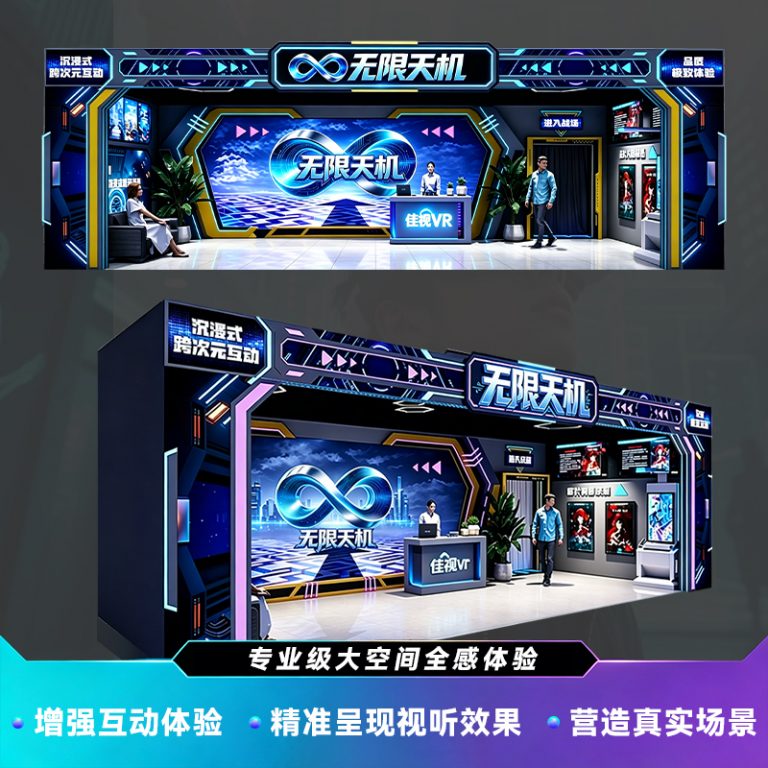
VR/XR Full-Sense Large-Space Cinema: Customer Acquisition and Profitability Strategy
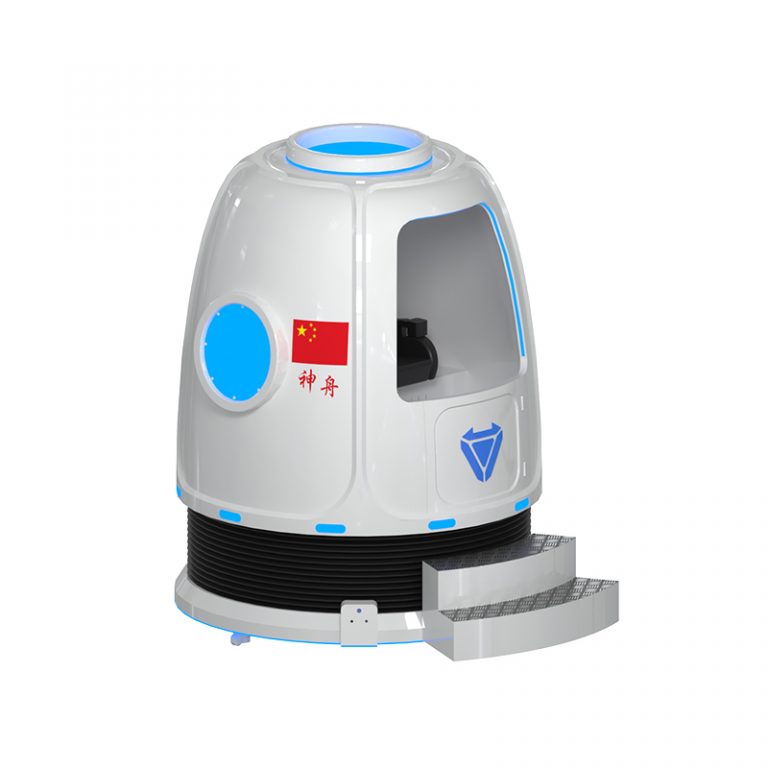
Revenue and Profit‑making Solutions for VR Shenzhou Spacecraft Simulator
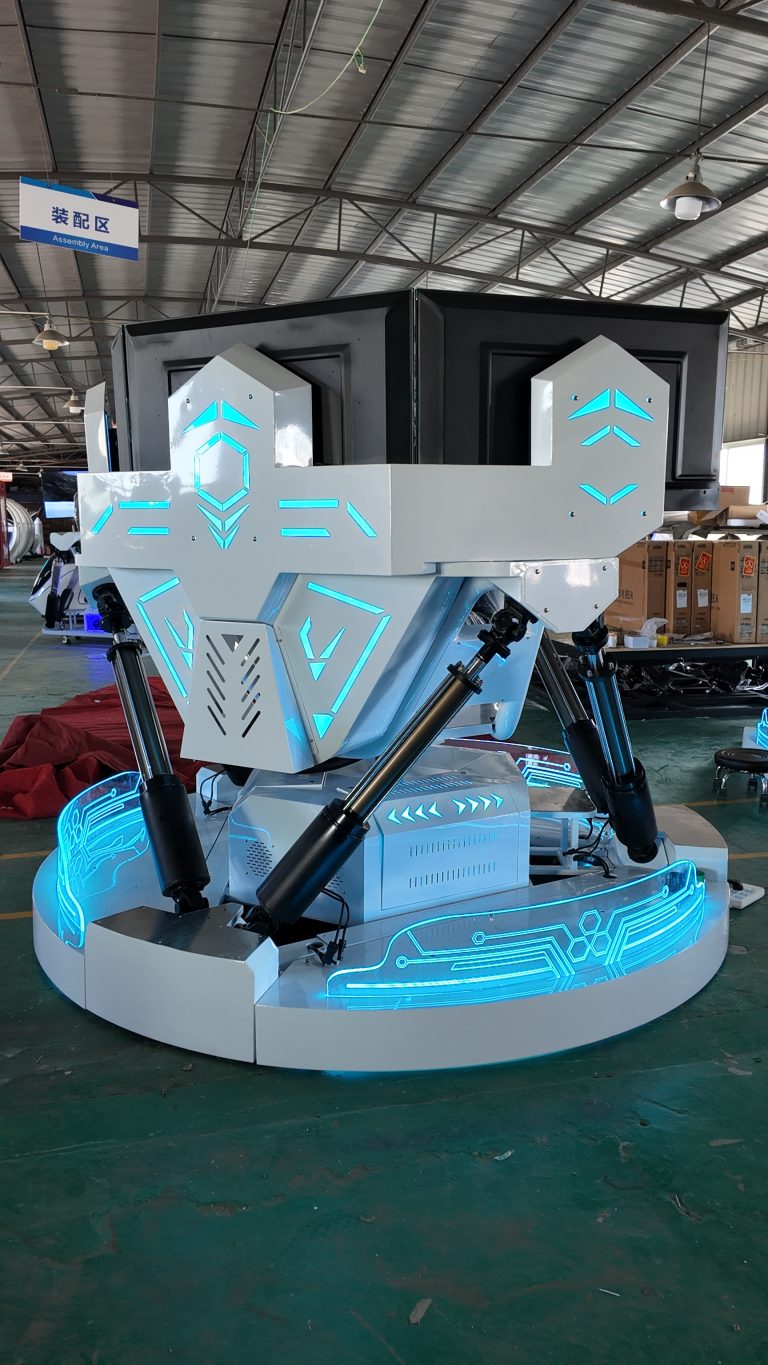
A New Benchmark in Immersive Racing: Versatile Functions and Application Values of Three-Screen Six-Axis Racing Simulator
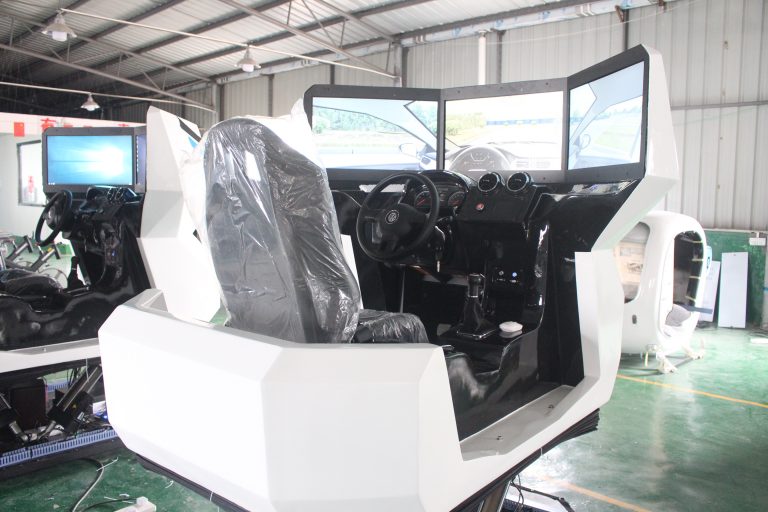
Dynamic Military Battlefield Driving Simulator – Application Overview of Training Equipment for New Recruit Tank, Airship and Heavy Truck Training
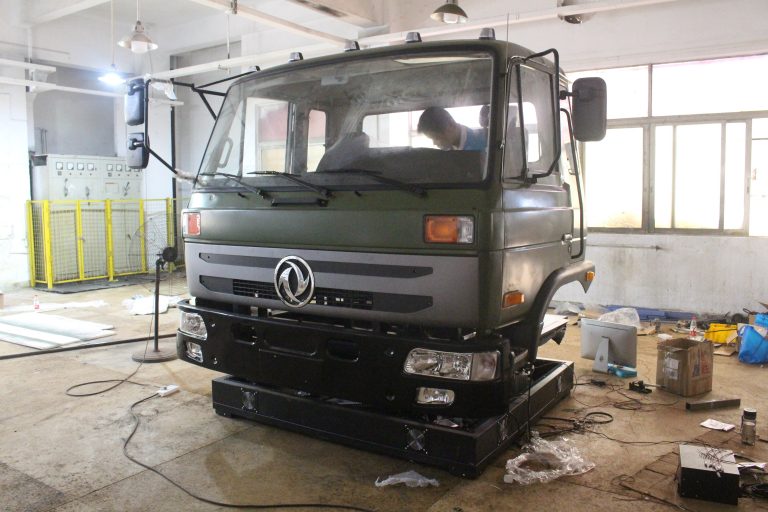
A New Benchmark for Smart Driving Training — Driving Simulator, Making Learning to Drive More Efficient, Safer and Easier